Photo field board
Look for the evidence
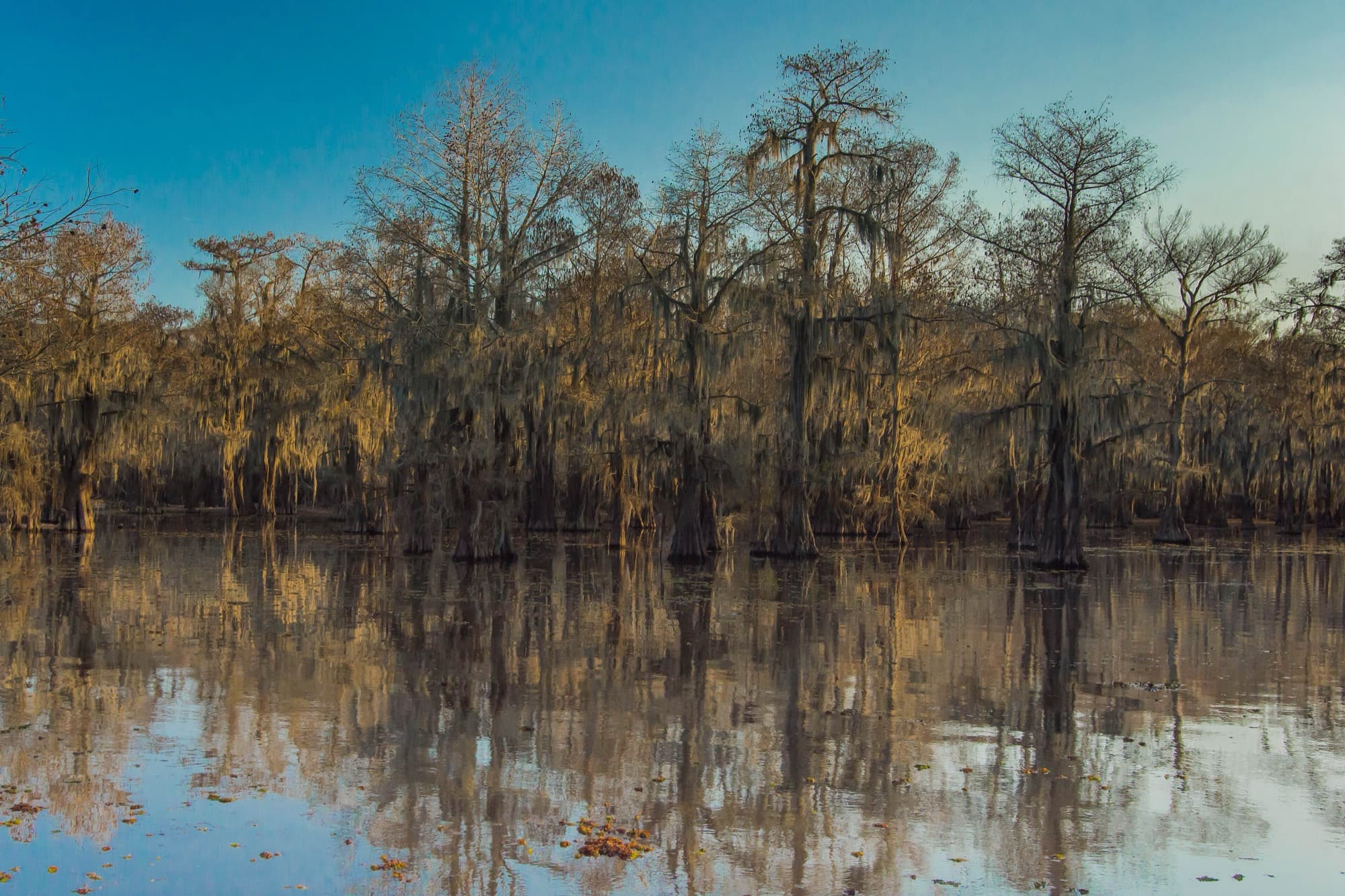
Plate 01
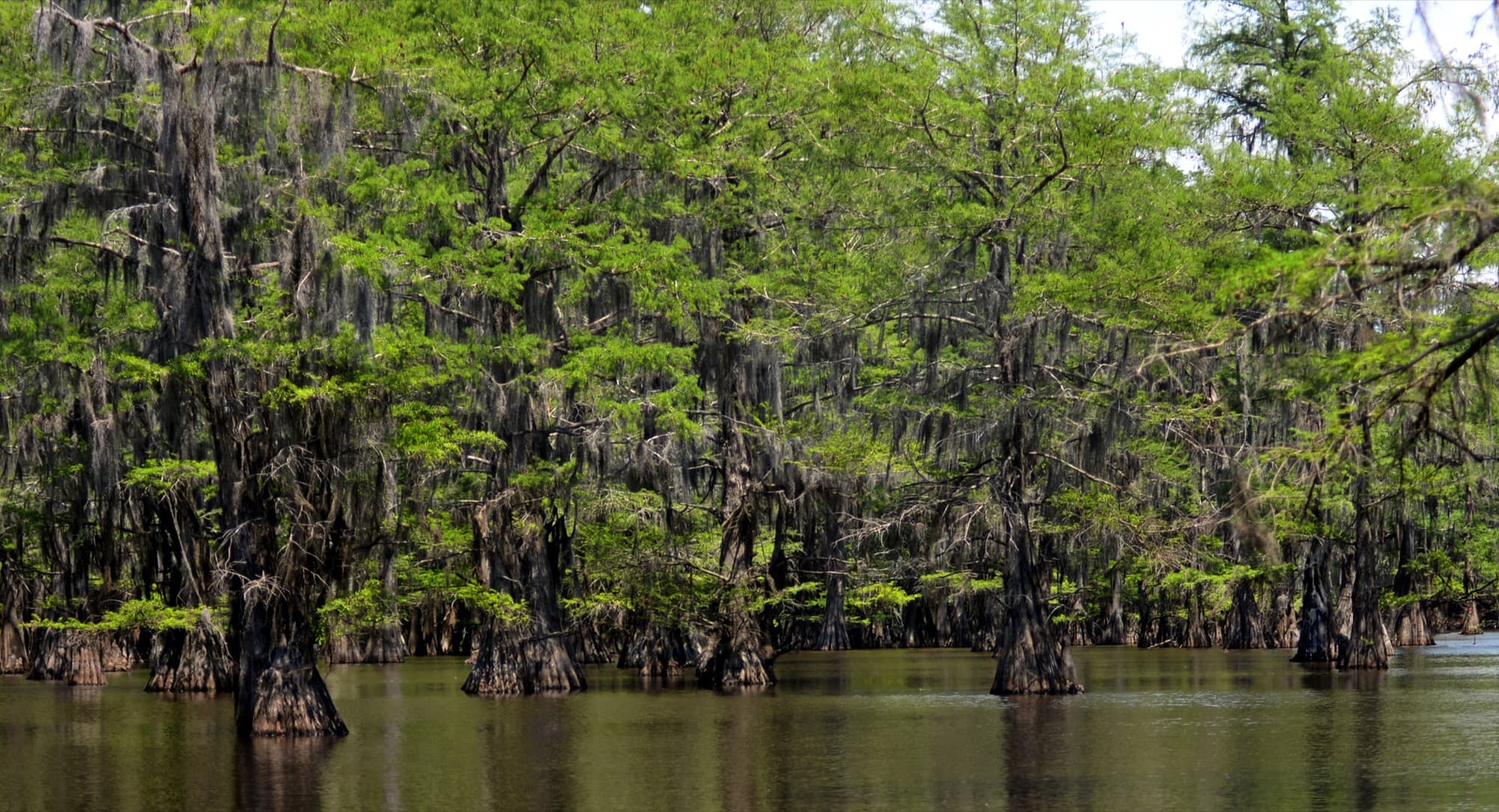
Caddo Lake gives the Jefferson story its wider landscape.
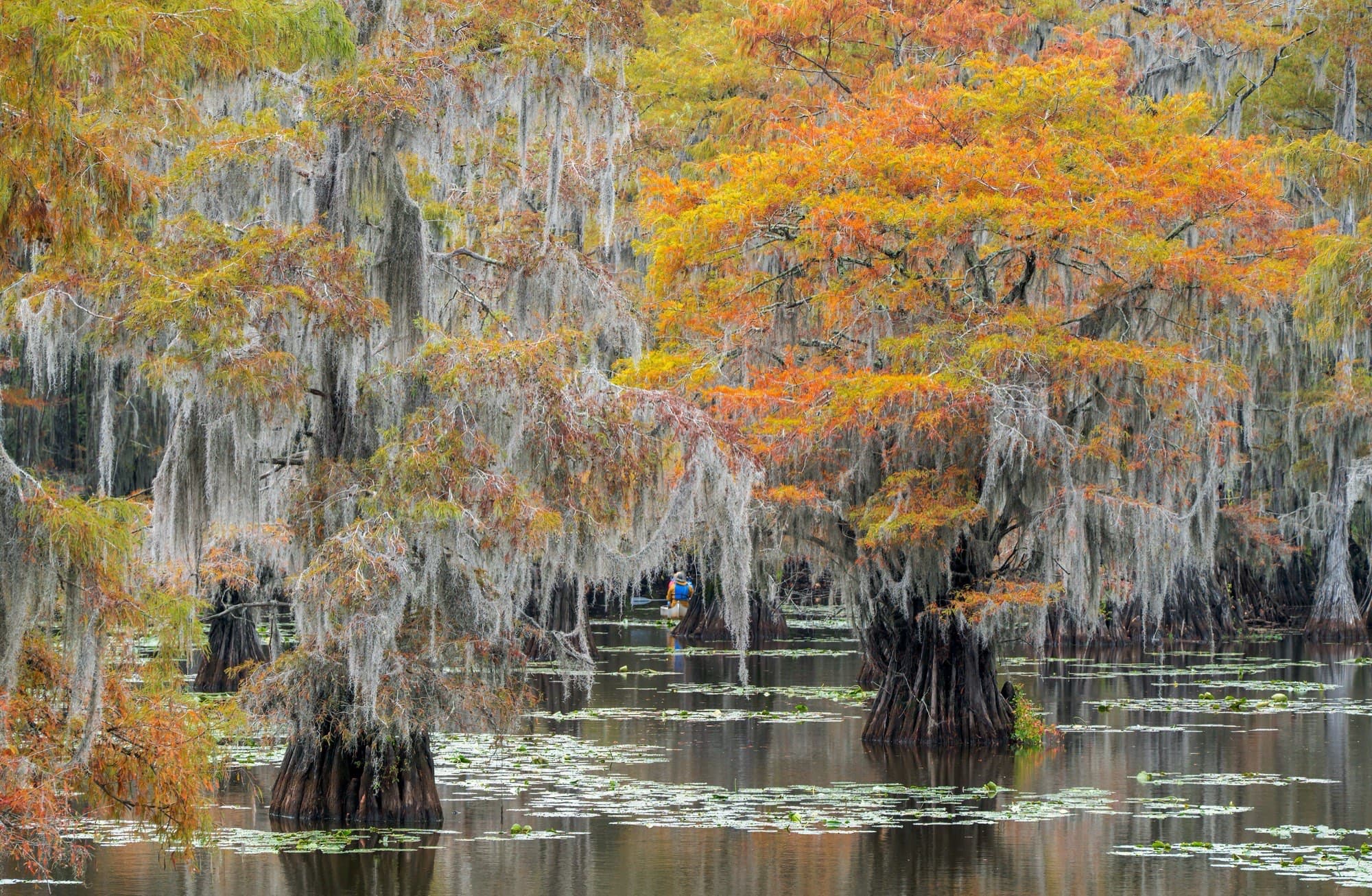
Plate 02
Modern outdoor travel follows old water logic.
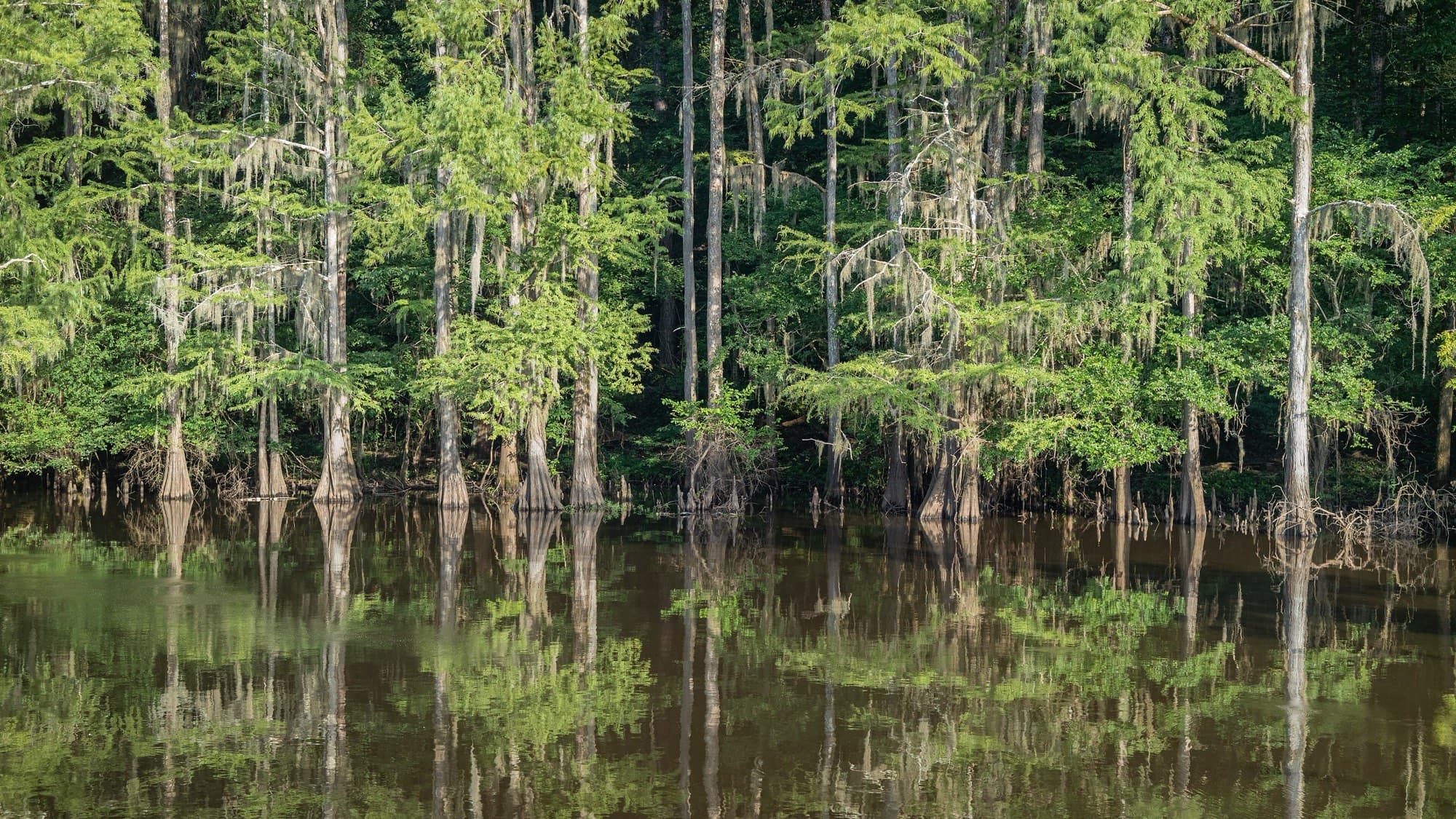
Plate 03
The same scenery that draws photographers once shaped commerce.
Exhibit overview
The Caddo Lake and Big Cypress Bayou landscape shaped Jefferson's commerce, travel routes, ghost stories, and modern visitor appeal.
Caddo Lake and Big Cypress Bayou formed the practical route behind Jefferson's riverport economy.
The landscape remains central to modern boat tours, paddling trips, photography, and folklore.
Visitors often use Jefferson as the lodging base for Caddo Lake days.
Landscape
The plot is physical
Bayou bends, lake routes, and water levels explain the town better than a date list can.
Modern use
History you can paddle
Boat tours and paddling turn the old trade geography into a visitor experience.
Base camp
Return to town
Jefferson gives Caddo visitors restaurants, porches, ghost walks, and lodging after the lake.
The story underneath the stories
Before a visitor can fully understand Jefferson's hotels, warehouses, or railroad legends, they need the water story. The bayou and lake explain why this particular town became unusually important.
They also explain the mood of the place: slow water, cypress shade, and a sense that the past is still physically close.
A modern itinerary thread
Today this story links downtown Jefferson to Caddo Lake State Park, guided boat tours, riverfront walks, and photography stops. It is the easiest history angle to pair with outdoor travel.
Trip planning angle
Make this the gateway story for Caddo Lake visitors who are deciding whether to stay in Jefferson.
Keep reading
1840s-1870s
The Steamboat Port That Made Jefferson Boom
Jefferson grew into a major inland port because steamboats could reach Big Cypress Bayou through Caddo Lake and the Red River system.
1870s
The Great Raft and the Fall of the River Trade
A massive Red River logjam helped keep water levels favorable for Jefferson. Clearing it changed the bayou system and weakened steamboat access.
Late 1800s
Jay Gould, the Railroad Car, and the Famous Curse
The popular story says railroad magnate Jay Gould cursed Jefferson after the town resisted the railroad. Historians treat the curse as folklore, not fact.