Photo field board
Look for the evidence
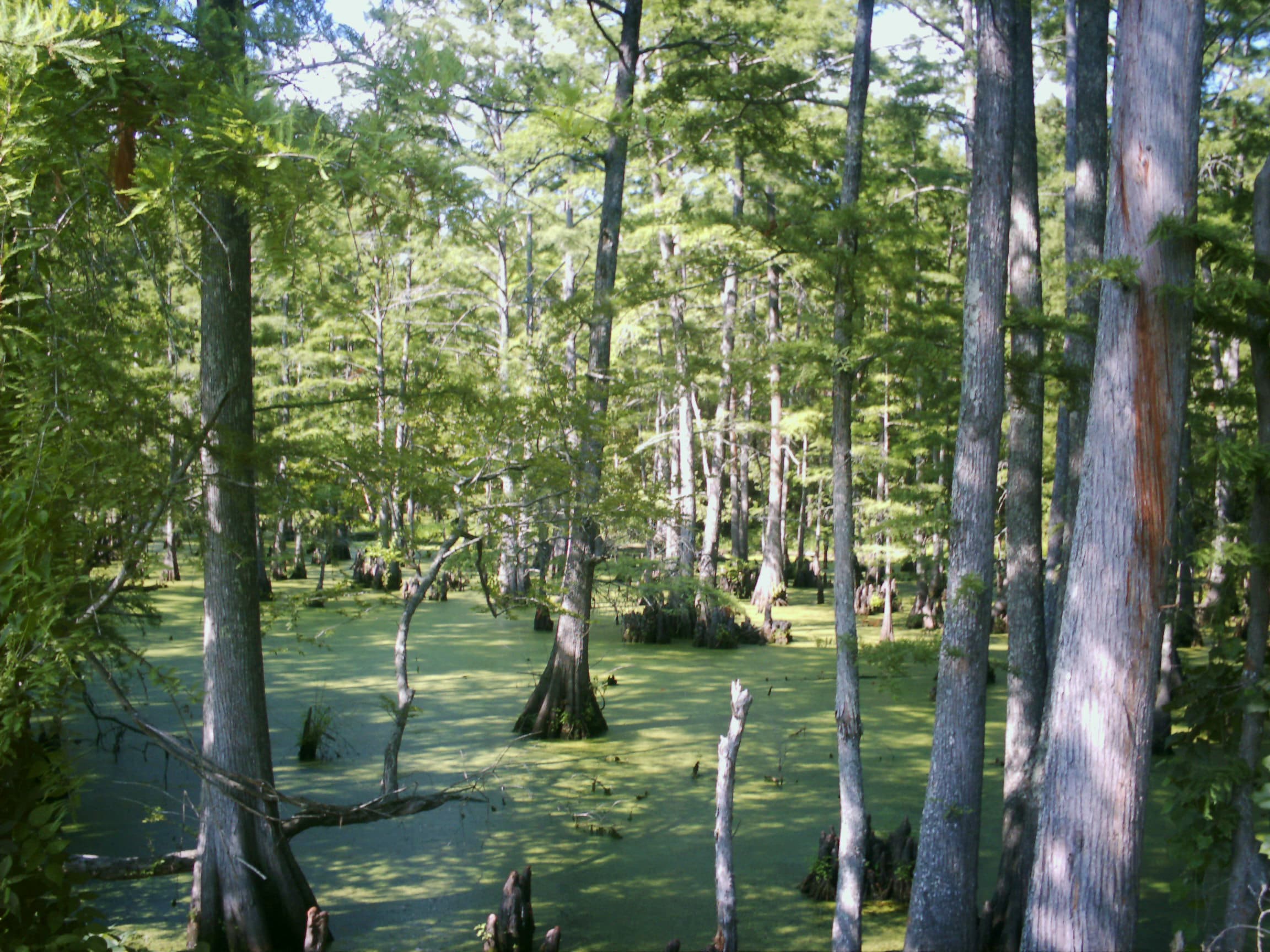
Plate 01
Big Cypress Bayou was the working edge of port-era Jefferson.
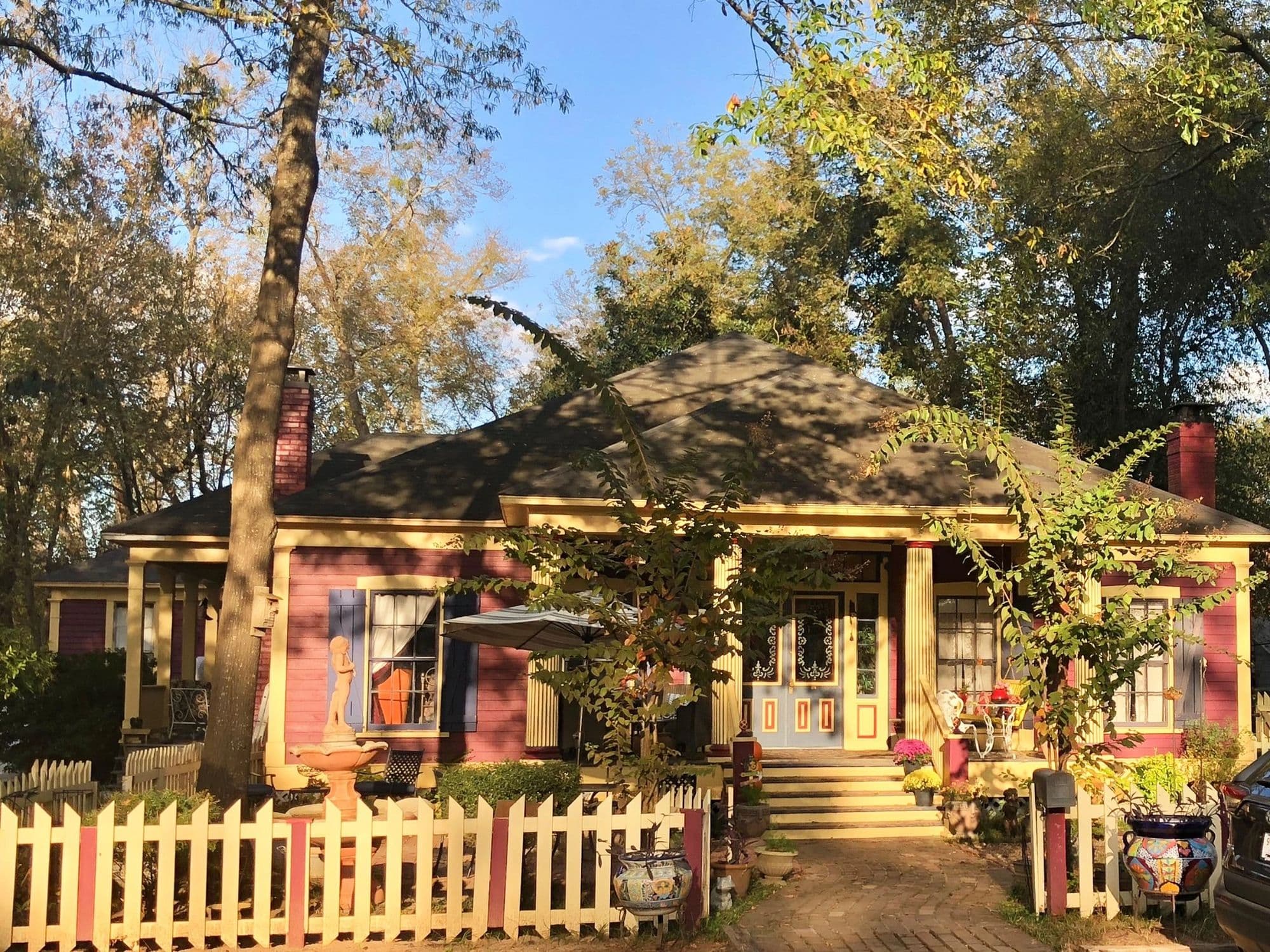
Plate 02
Hospitality grew around river traffic, merchants, and travelers.
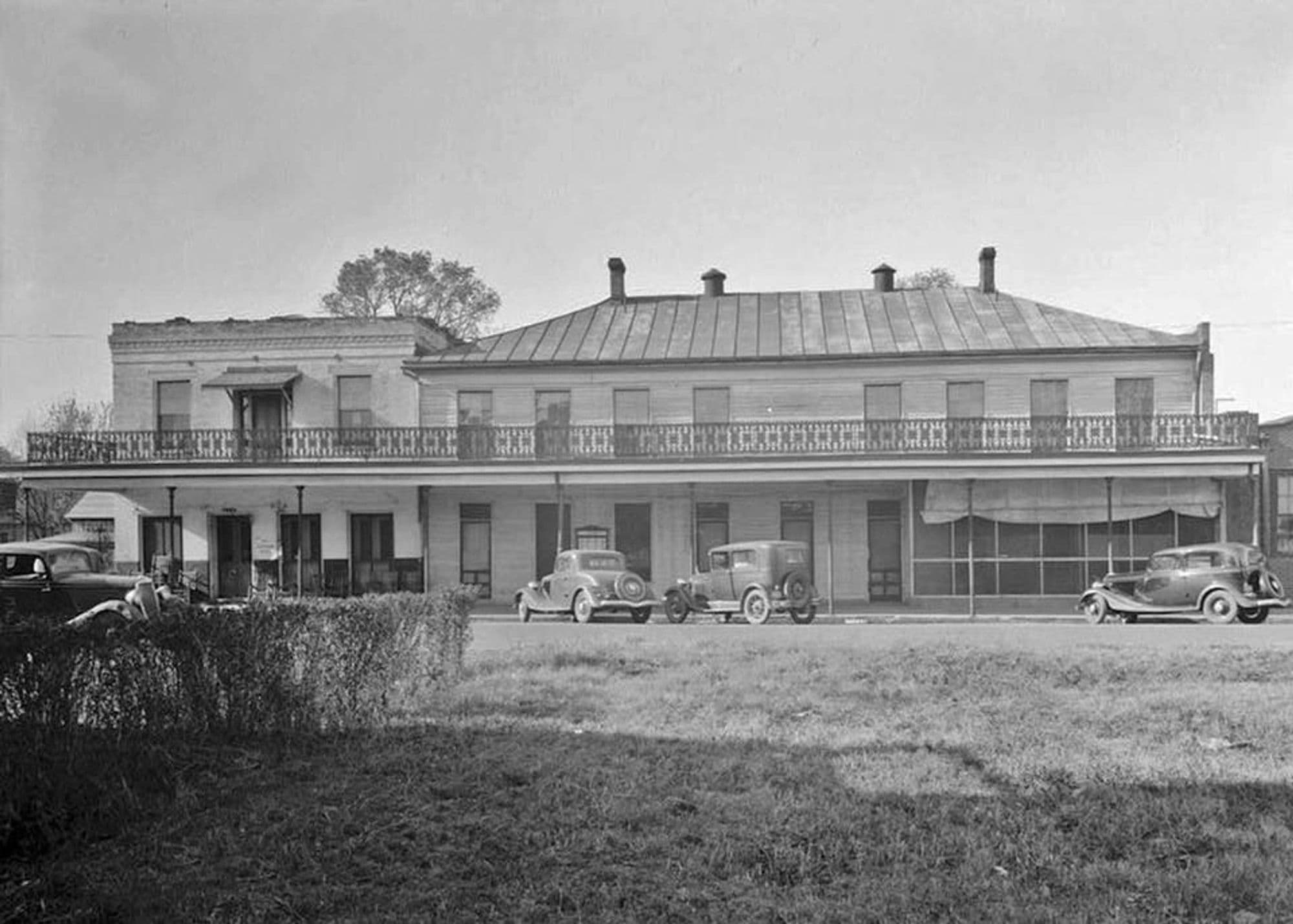
Plate 03
The commercial district still carries the scale of the boom years.
Exhibit overview
Jefferson grew into a major inland port because steamboats could reach Big Cypress Bayou through Caddo Lake and the Red River system.
The steamer Llama is commonly credited as the first steamboat to reach Jefferson in the 1840s.
Cotton and regional goods moved out through Caddo Lake, Shreveport, and New Orleans.
Jefferson became one of the leading commercial centers in East Texas during the port era.
Record
A town built by cargo
Cotton, passengers, supplies, and hotel guests all moved through the same compact port landscape.
Look for
Water-to-street geography
Stand near the turning basin and trace how quickly the route climbs into downtown.
Visitor lens
Not nostalgia first
The romance came later. These places began as a hard-working trade system.
Why the water mattered
Jefferson sits on Big Cypress Bayou, west of Caddo Lake. In the town's peak years, that waterway connected local cotton, timber, merchants, and passengers to a much larger river network.
The result was a boomtown with hotels, brick commercial blocks, warehouses, and ambitious homes. Much of what feels romantic today began as infrastructure for a serious trade economy.
How to see it now
Start at the turning basin and riverfront, then walk back toward downtown. The distance between the water, the old hotels, and the commercial blocks makes the port story easy to read on foot.
Trip planning angle
Pair this story with the historic walking tour and a stay downtown so the bayou and buildings stay in the same mental map.
Keep reading
1870s
The Great Raft and the Fall of the River Trade
A massive Red River logjam helped keep water levels favorable for Jefferson. Clearing it changed the bayou system and weakened steamboat access.
Late 1800s
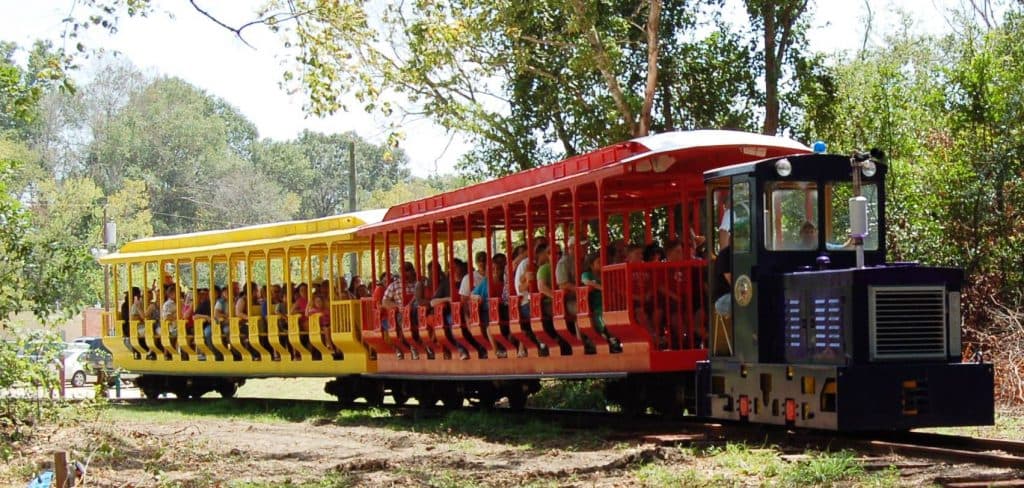
Jay Gould, the Railroad Car, and the Famous Curse
The popular story says railroad magnate Jay Gould cursed Jefferson after the town resisted the railroad. Historians treat the curse as folklore, not fact.
1877 onward
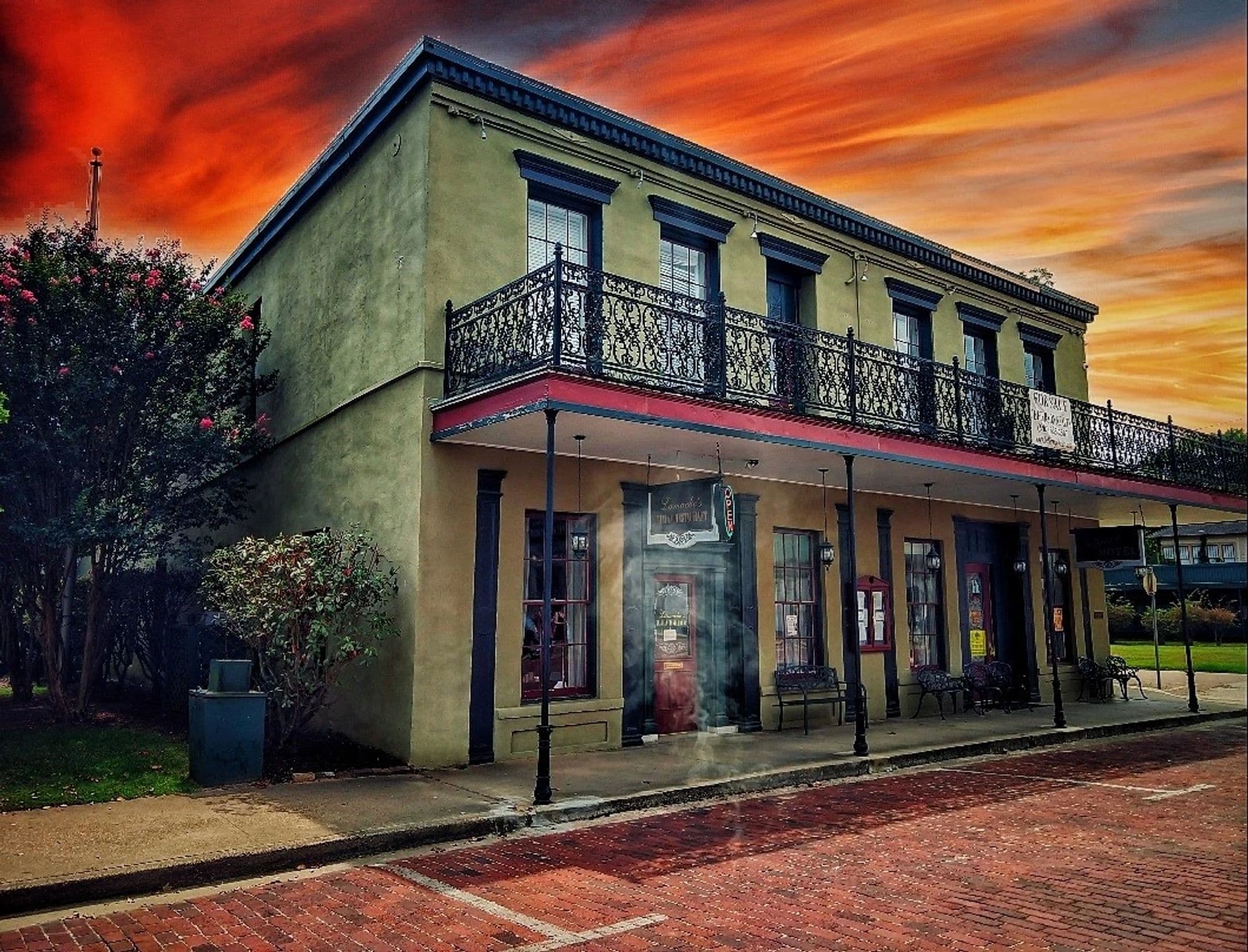
Diamond Bessie and Texas's Sensational Murder Trial
The unsolved murder of Bessie Moore and the trial of Abraham Rothschild became one of Jefferson's most enduring stories.