Photo field board
Look for the evidence
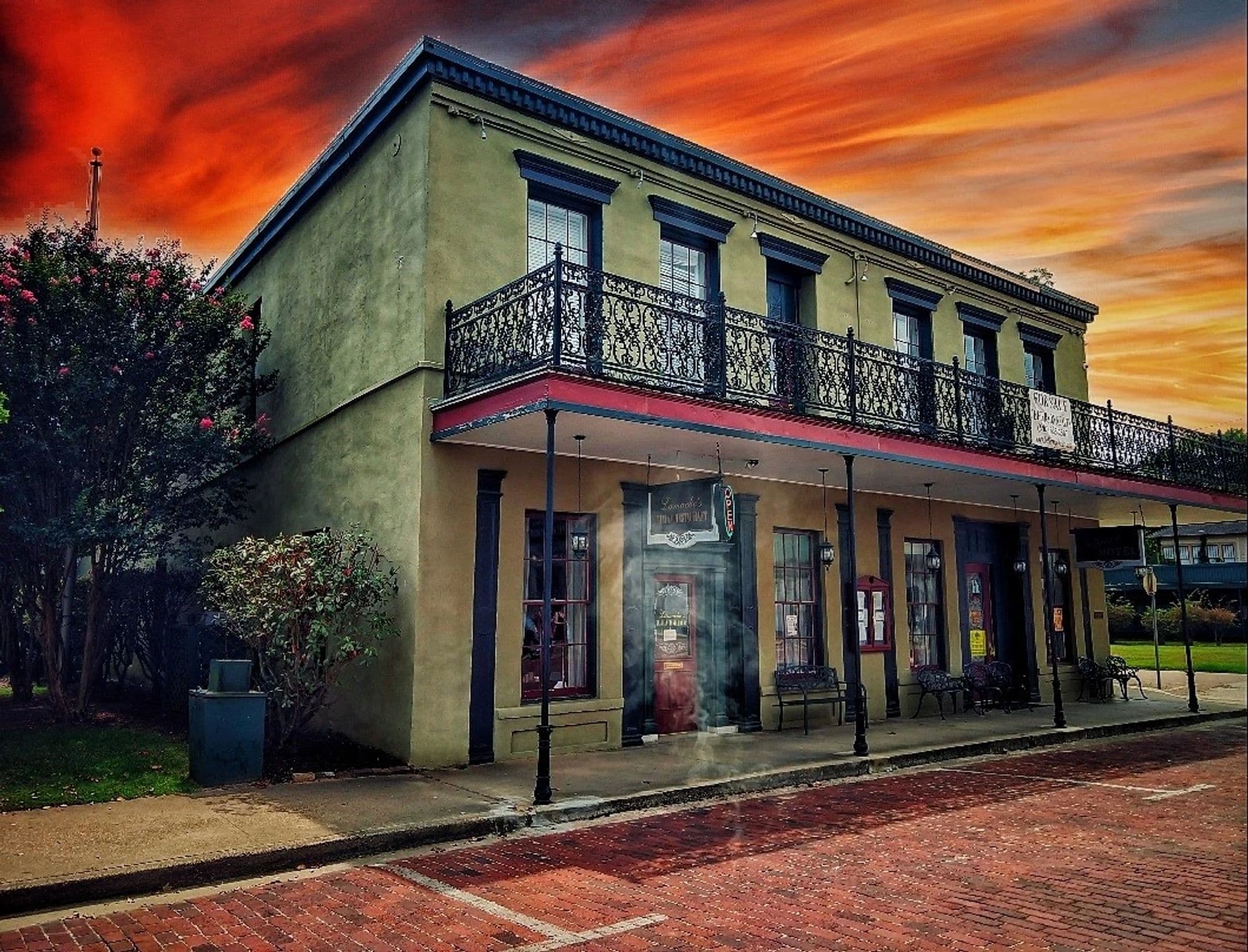
Plate 01
Hotel settings make the case feel close to the present streetscape.
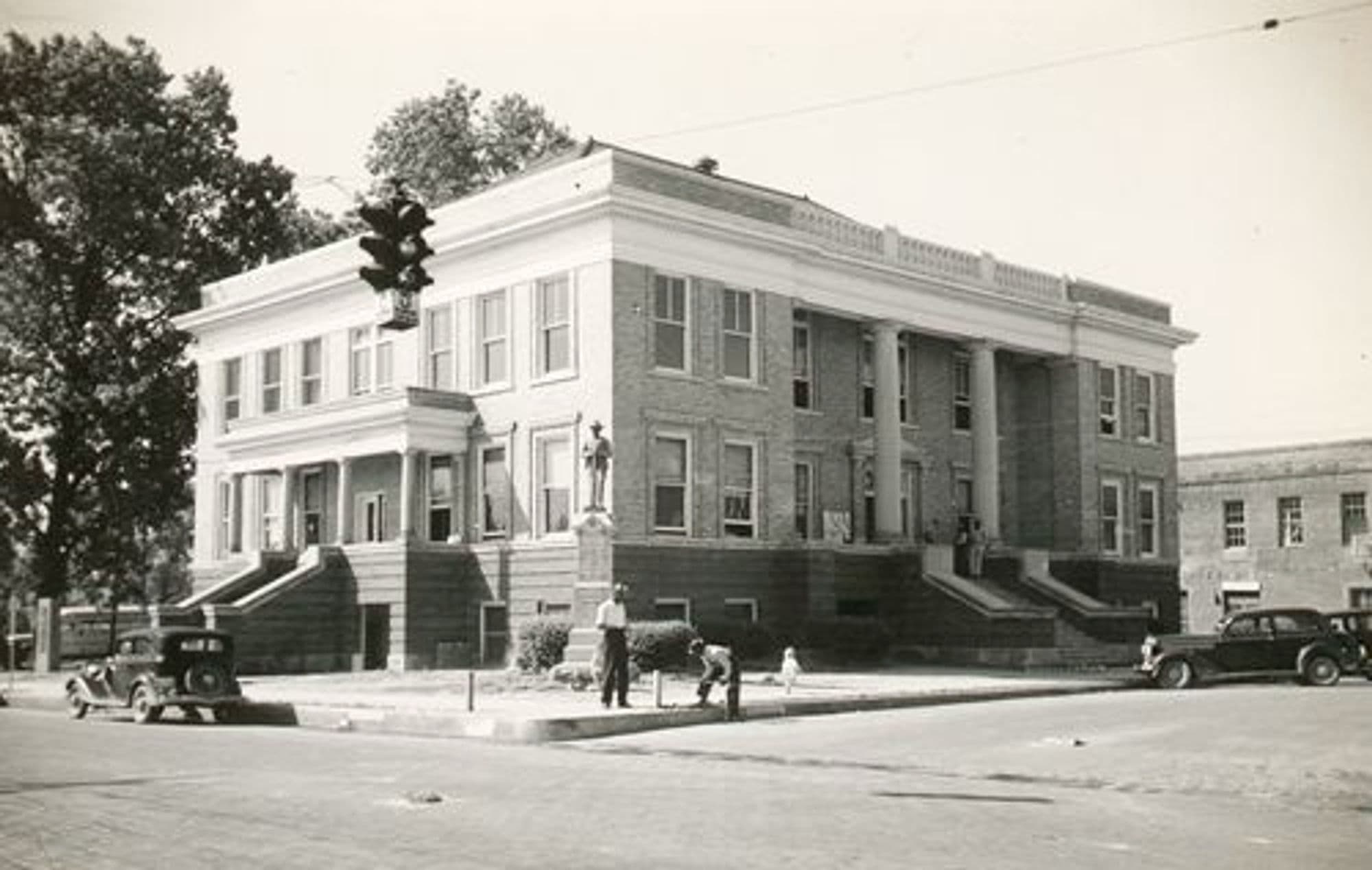
Plate 02
The case belongs to the same compact streets visitors walk today.
Exhibit overview
The unsolved murder of Bessie Moore and the trial of Abraham Rothschild became one of Jefferson's most enduring stories.
Bessie Moore was found murdered near Jefferson in January 1877.
Abraham Rothschild was tried and eventually found not guilty.
The case remains officially unsolved and is reenacted during Jefferson pilgrimage traditions.
Record
The murder happened
Bessie Moore was found dead near Jefferson in 1877, and Abraham Rothschild was tried.
Unresolved
The case remains open in memory
The acquittal did not give the town a satisfying answer, which is why the story keeps moving.
Performance
A trial retold
Annual reenactment turned a grim court record into one of Jefferson's best-known traditions.
The case
Bessie Moore, remembered as Diamond Bessie, traveled with Abraham Rothschild and registered in Jefferson under another name. After she was found dead, Rothschild became the accused man in a case that drew broad attention.
The legal proceedings produced one of Texas's most famous nineteenth-century trial stories, mixing documented courtroom history with layers of rumor that grew after the verdict.
Why Jefferson still tells it
The story has everything a visitor remembers: a hotel stay, aliases, jewelry, a cemetery, unanswered questions, and a courtroom. Since the 1950s, the town has kept the drama alive through local performances.
Trip planning angle
This is the natural anchor for ghost tours, cemetery visits, and spring pilgrimage planning.
Keep reading
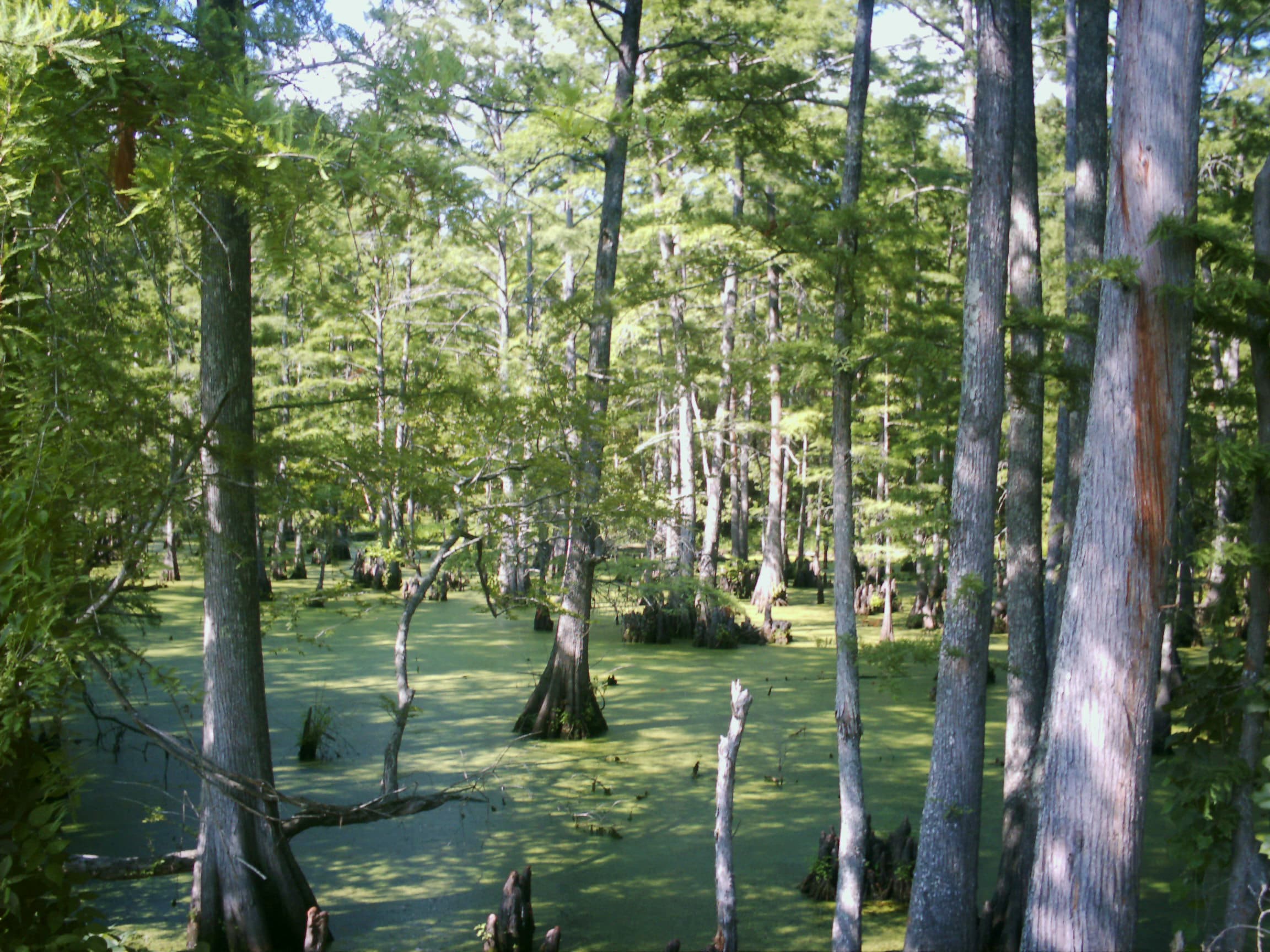
1840s-1870s
The Steamboat Port That Made Jefferson Boom
Jefferson grew into a major inland port because steamboats could reach Big Cypress Bayou through Caddo Lake and the Red River system.
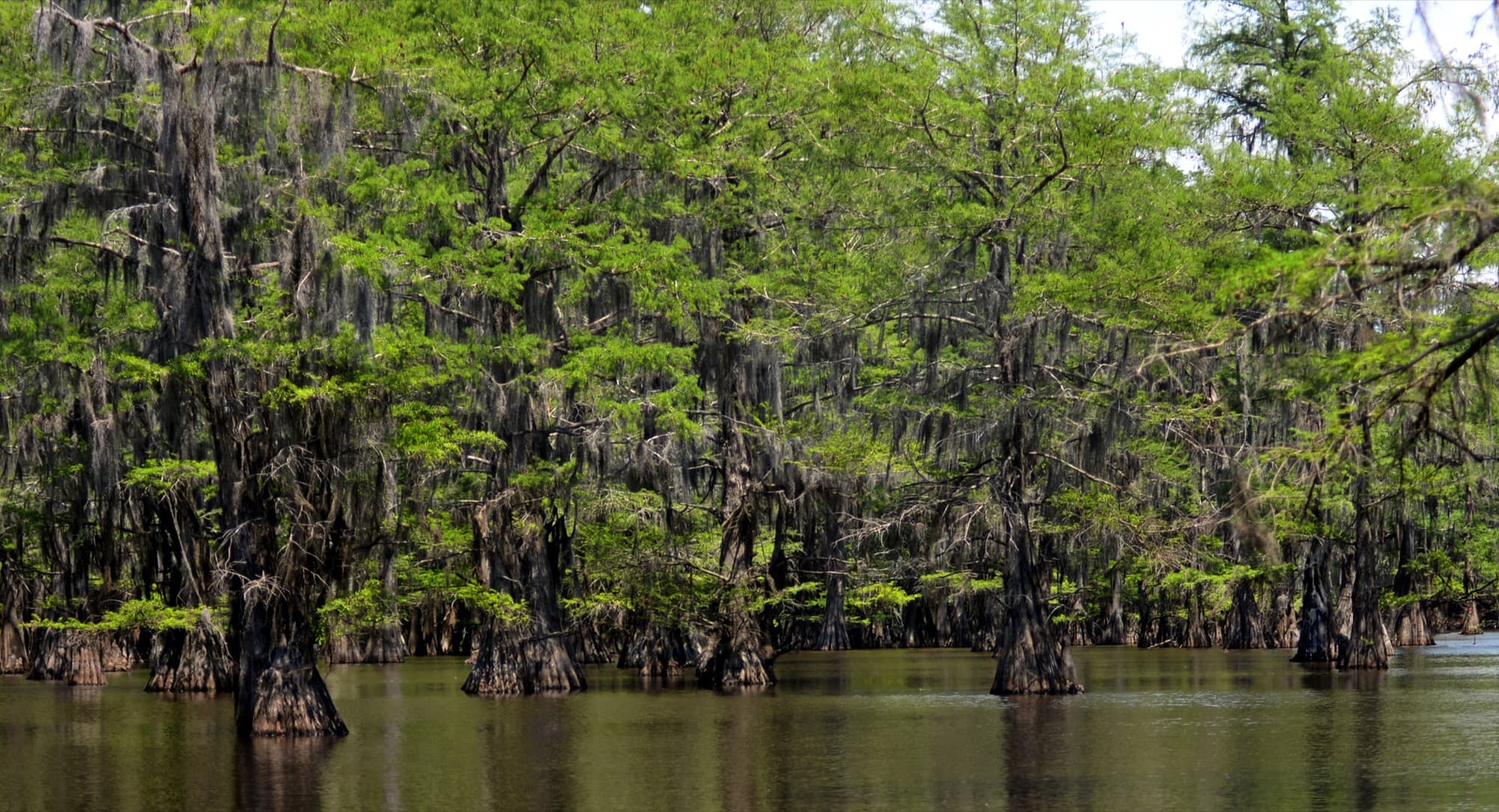
1870s
The Great Raft and the Fall of the River Trade
A massive Red River logjam helped keep water levels favorable for Jefferson. Clearing it changed the bayou system and weakened steamboat access.
Late 1800s
Jay Gould, the Railroad Car, and the Famous Curse
The popular story says railroad magnate Jay Gould cursed Jefferson after the town resisted the railroad. Historians treat the curse as folklore, not fact.