Photo field board
Look for the evidence
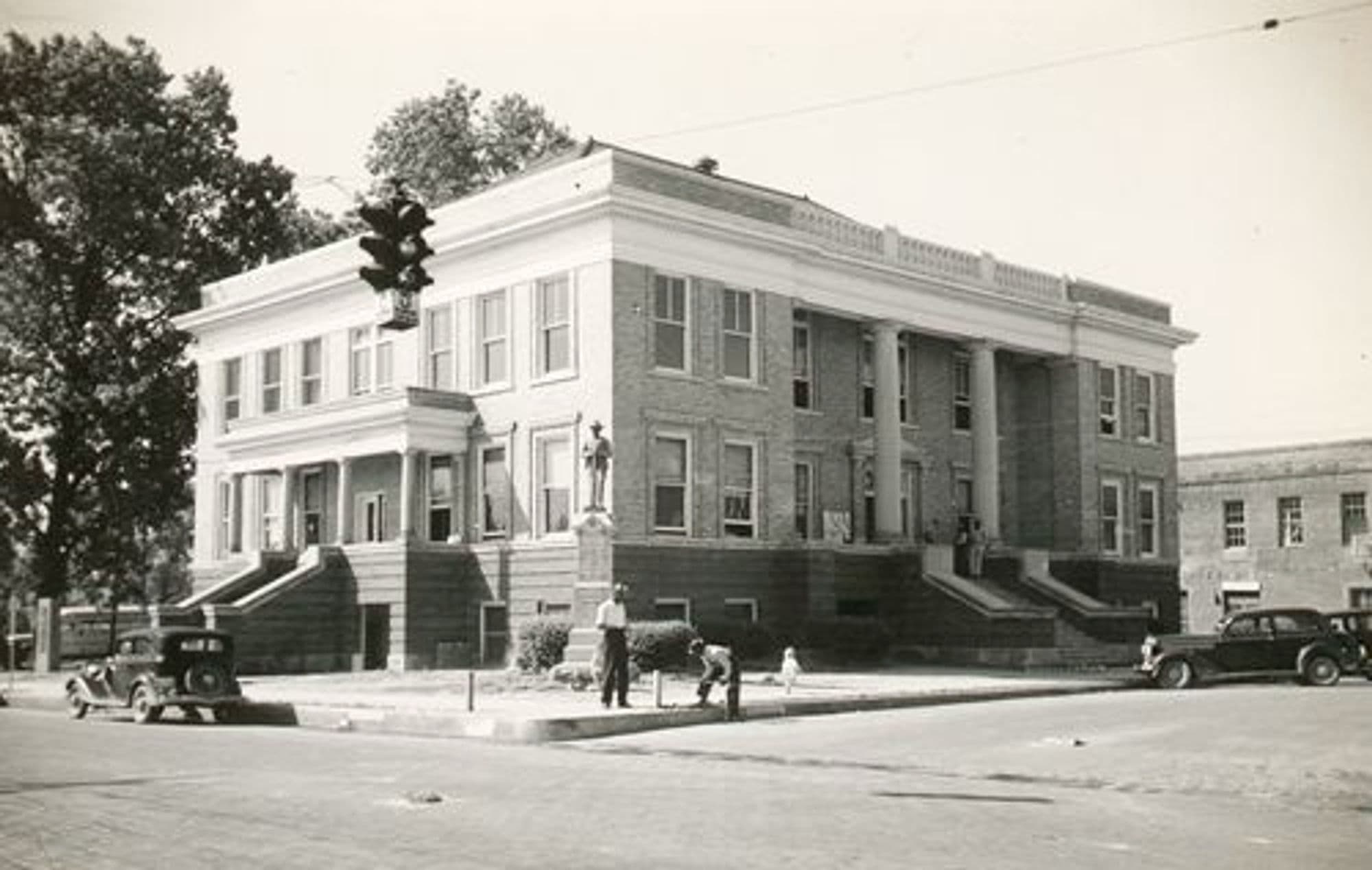
Plate 01
The district reads like an open-air archive.
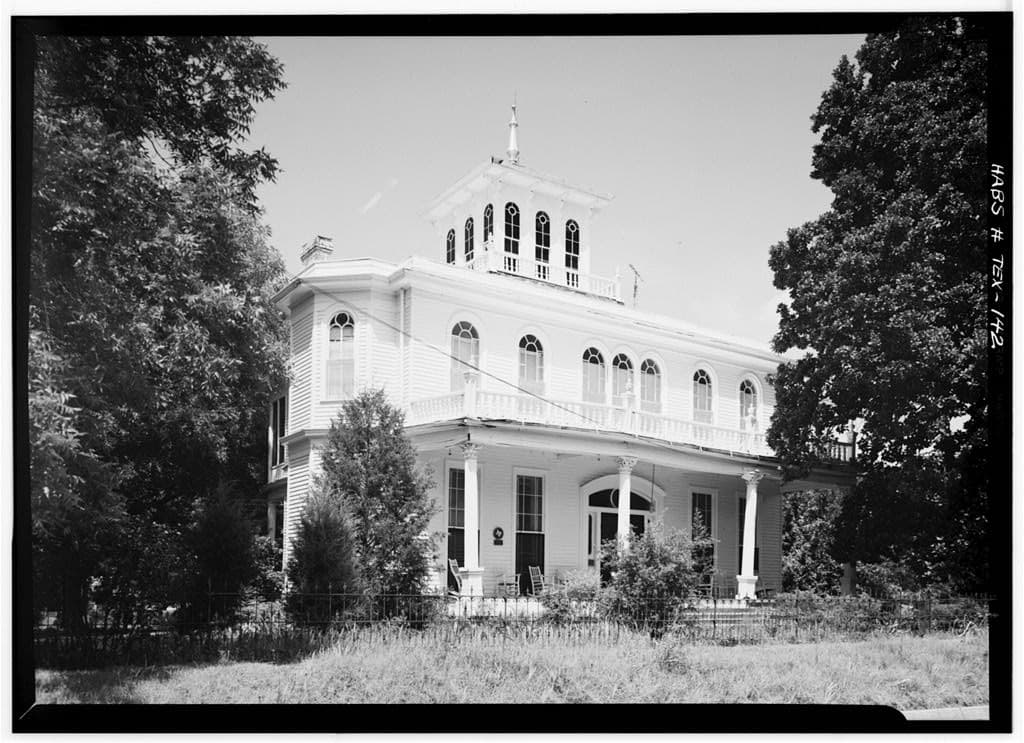
Plate 02
Signature houses give preservation a dramatic face.
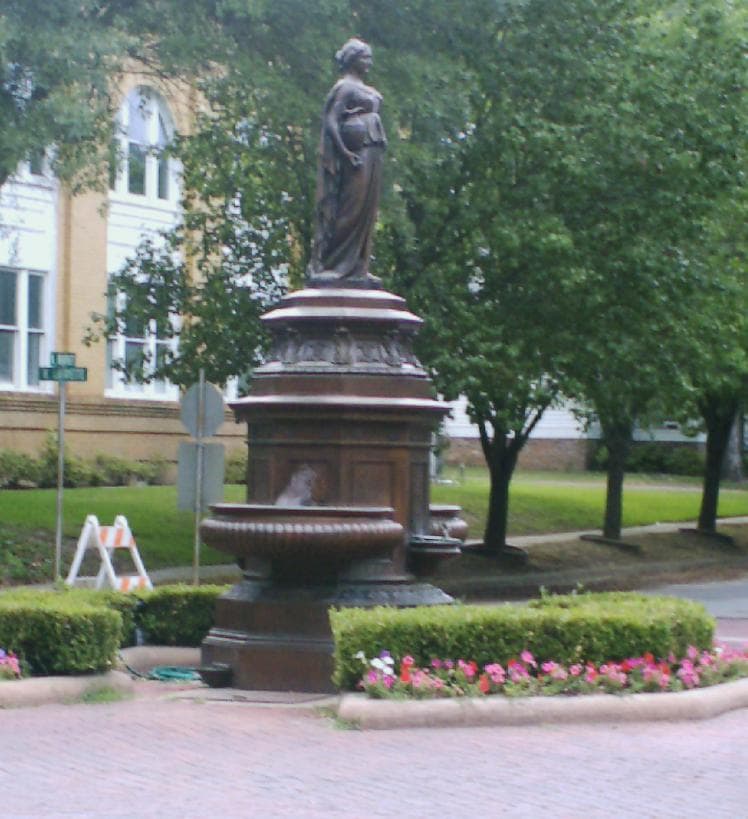
Plate 03
Small civic landmarks help knit the walking experience together.
Exhibit overview
Jefferson's preserved homes, hotels, churches, and commercial blocks turned economic decline into a heritage tourism strength.
A large Jefferson historic district was listed in the National Register of Historic Places in 1971.
The town is known for mid-nineteenth-century homes, churches, hotels, and commercial buildings.
Spring pilgrimage events helped turn preservation into a visitor tradition.
District
More than one house
Jefferson works because the streetscape is intact enough to make the past spatial.
Ritual
Pilgrimage made preservation social
Home tours gave locals and visitors a recurring reason to care about details.
Stay angle
Sleep inside the archive
The lodging story is unusually strong because many stays are part of the historic fabric.
The built story
Jefferson's historic district is not a single landmark. It is a walkable collection of streets, homes, public buildings, churches, and storefronts that still explain the town's peak years.
That concentration is why the town works so well for B&B travel. Visitors are not just sleeping near history; in many cases they are sleeping inside restored pieces of it.
Pilgrimage and public memory
Home tours, garden tours, and annual pilgrimage events made preservation social. They gave visitors permission to look closely at the architecture and gave locals a recurring reason to keep the stories polished.
Trip planning angle
Use this story to connect lodging pages, the walking tour, and the B&B comparison guide.
Keep reading
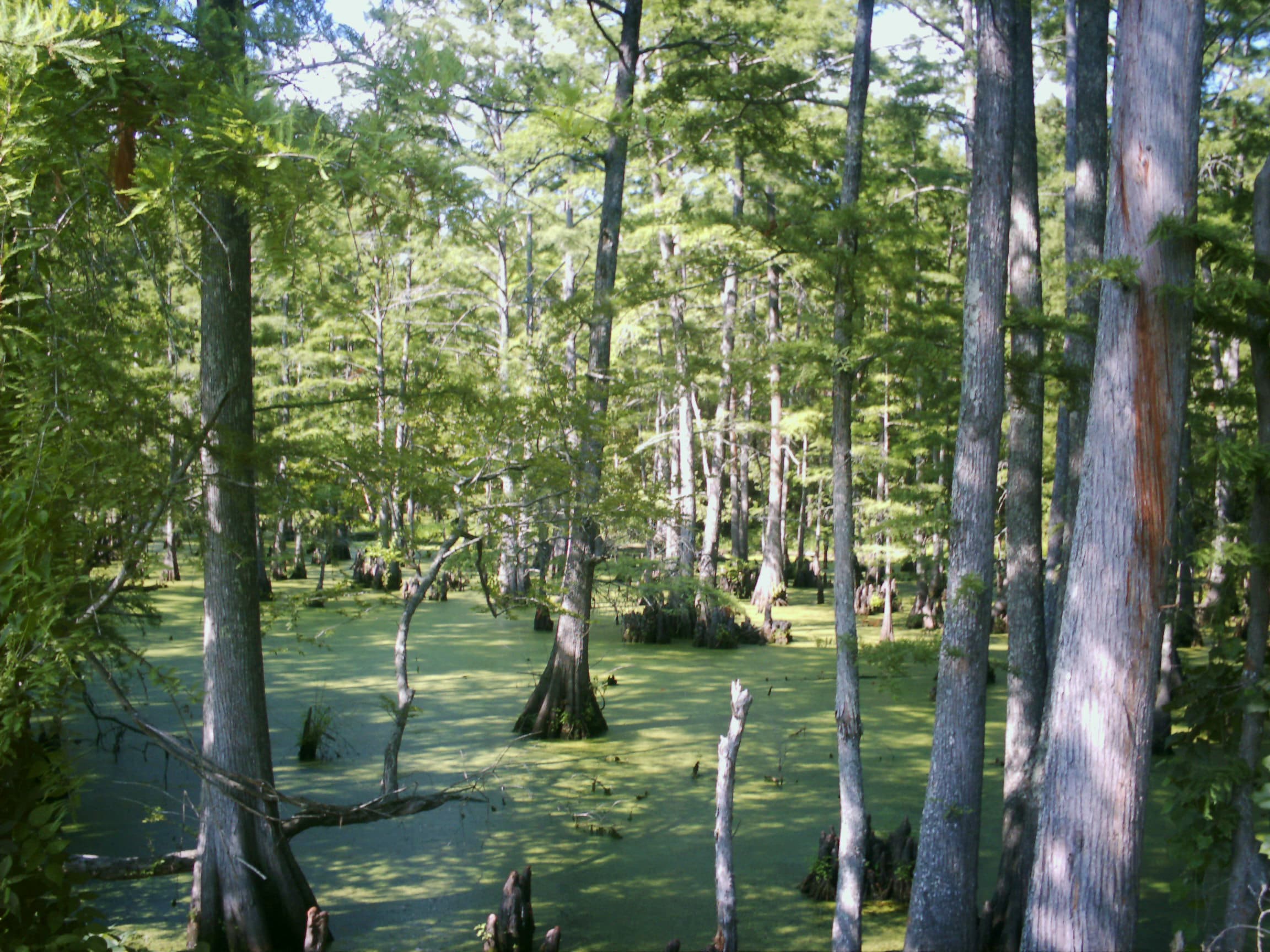
1840s-1870s
The Steamboat Port That Made Jefferson Boom
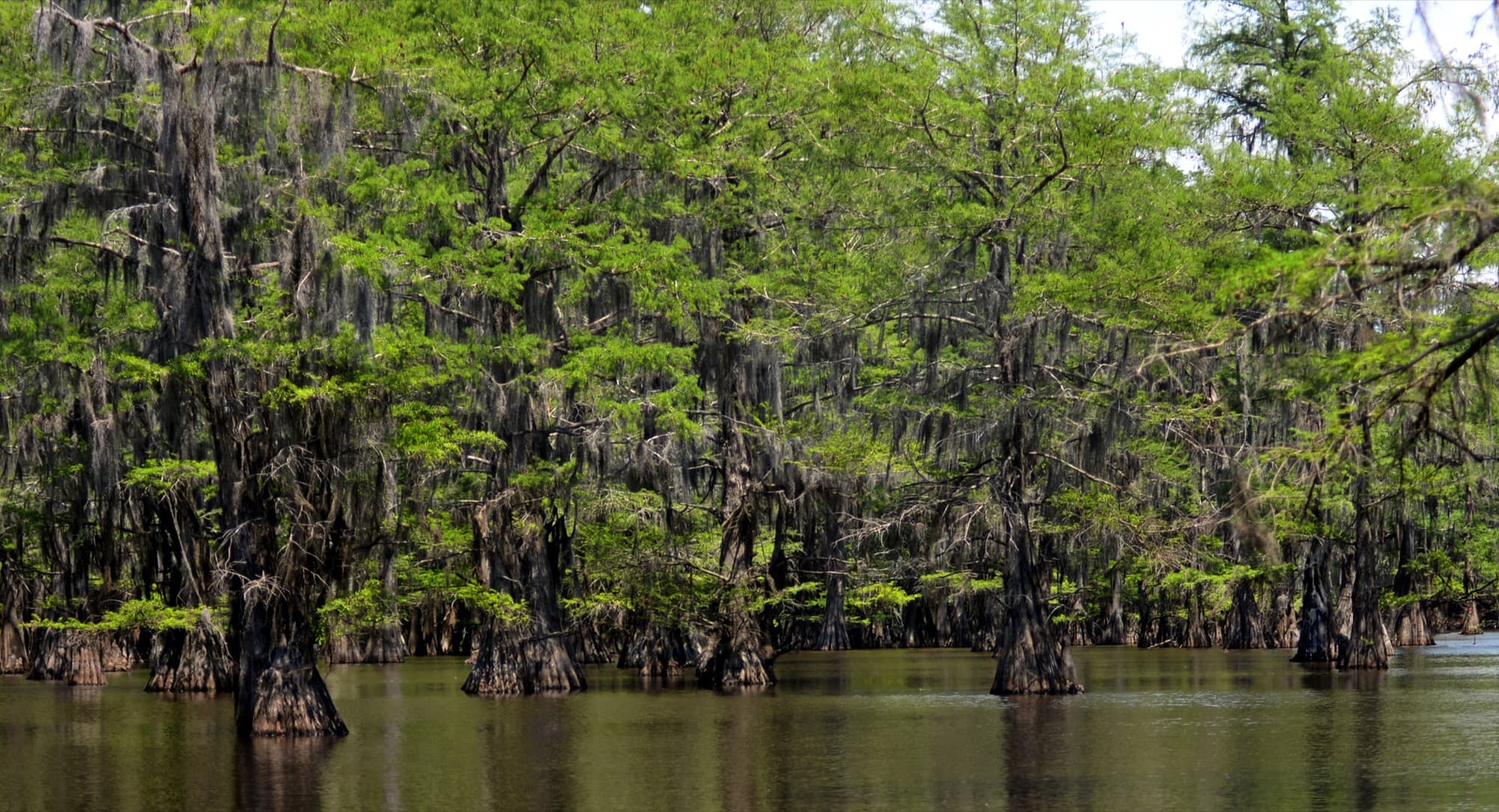
Jefferson grew into a major inland port because steamboats could reach Big Cypress Bayou through Caddo Lake and the Red River system.
1870s
The Great Raft and the Fall of the River Trade
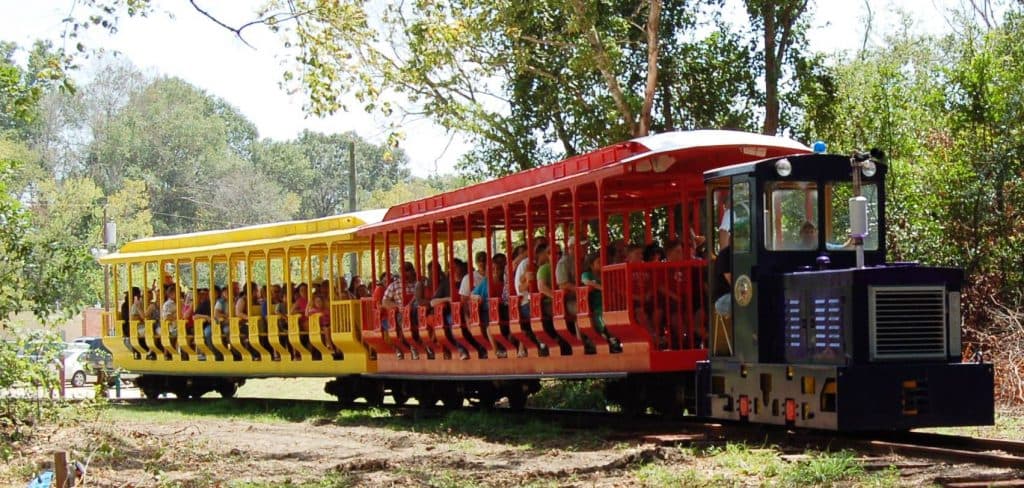
A massive Red River logjam helped keep water levels favorable for Jefferson. Clearing it changed the bayou system and weakened steamboat access.
Late 1800s
Jay Gould, the Railroad Car, and the Famous Curse
The popular story says railroad magnate Jay Gould cursed Jefferson after the town resisted the railroad. Historians treat the curse as folklore, not fact.