Songs About Jefferson, Texas — And the Music Born Here
From Diamond Bessie murder ballads and Caddo Lake instrumentals to country music’s first million-seller, the original writer of 'The Thrill Is Gone,' and a foundational boogie-woogie bassline named after the town.
If you search for a mainstream radio hit titled “Jefferson, Texas,” you will come up empty. Unlike Luckenbach or Galveston, Jefferson never got a billboard-charting postcard song named after it. What it does have is a handful of moody indie ballads about its legends — and a surprisingly deep musical pedigree that quietly shaped country, blues, boogie-woogie piano, and Big Band jazz.
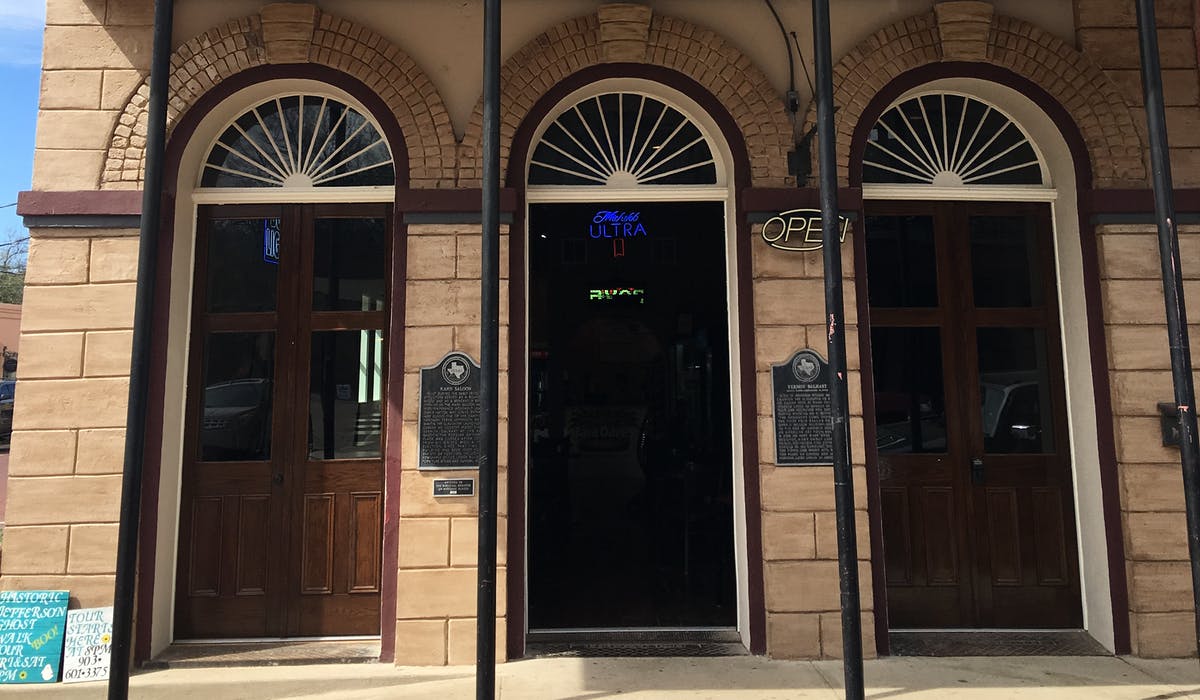
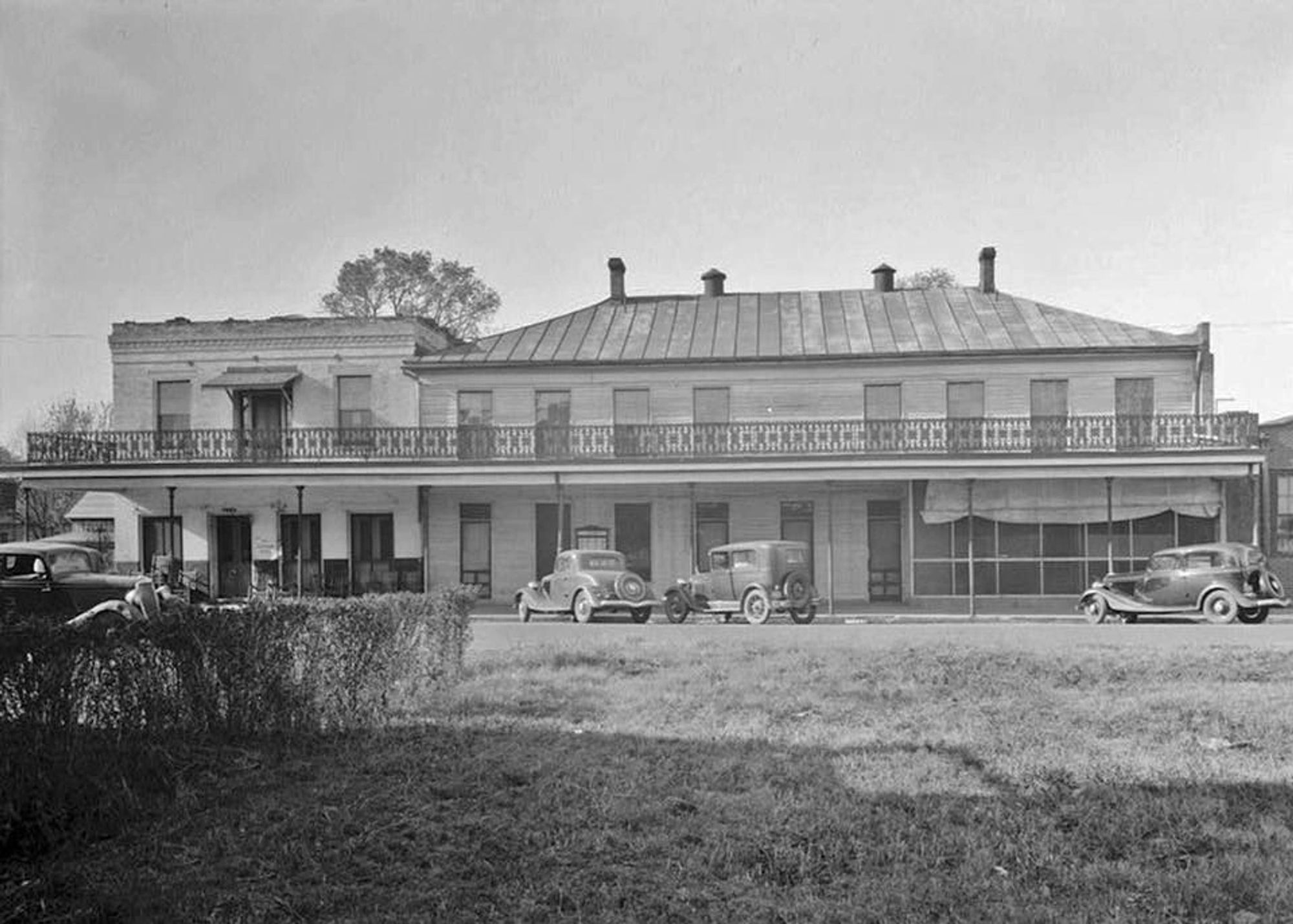
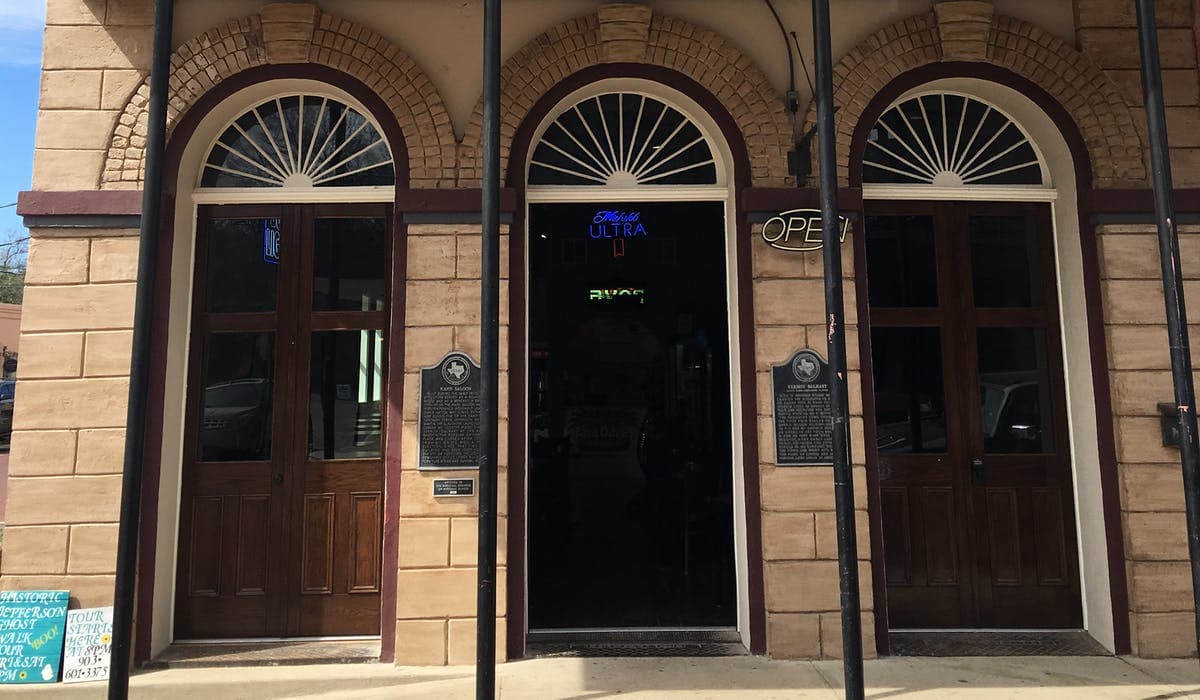
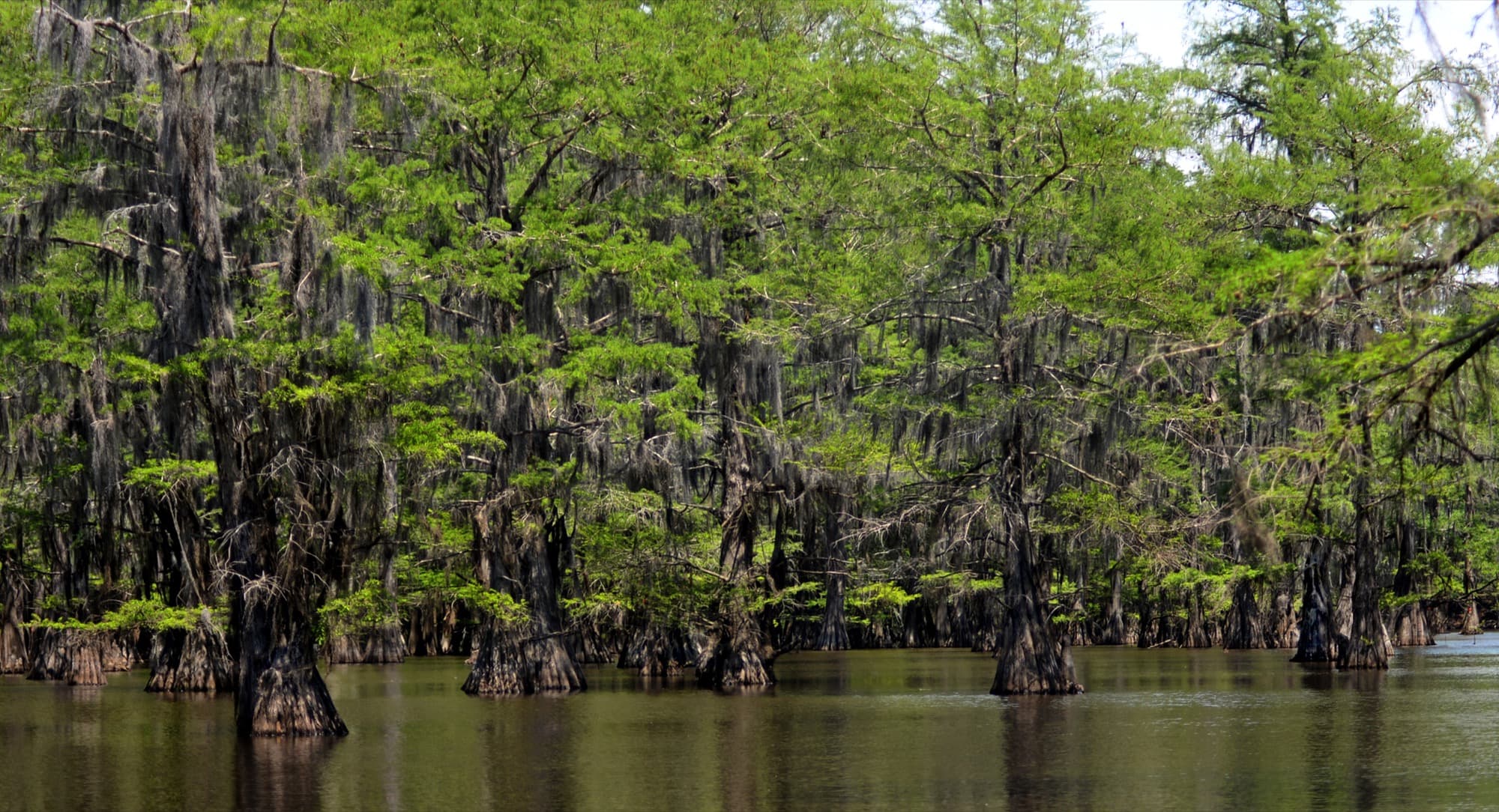
The real places behind the songs: the Historic Kahn Hotel (123 W. Austin St., home to Vernon Dalhart’s historical marker), Caddo Lake’s cypress channels, Big Cypress Bayou, and downtown Jefferson’s brick blocks.
Songs Written About Jefferson, Its Legends & Caddo Lake
Songwriters who turn directly toward Jefferson usually latch onto two things: the unsolved 1877 Diamond Bessie murder trial and the misty cypress channels of Caddo Lake just 15 minutes east of town. Alongside a few newer independent YouTube folklore tributes to Jefferson’s ghost lore, these are the most notable recorded tracks tied directly to the town and its waterways:
Jefferson murder-trial folklore2016
“Diamond Bessie”
Sarah Lucy Dole · Folk ballad
An acoustic murder ballad retelling the January 1877 killing of Annie "Diamond Bessie" Moore in Jefferson and the local tradition of placing flowers at her grave in Oakwood Cemetery.
The 10-minute closing track on Edria’s album Regret (Saint Marie Records), one of the rare studio recordings titled directly after Jefferson, Texas.
Neighboring Caddo Lake2011 / 2019
“Caddo Lake”
Michael Chapman · Acoustic guitar instrumental
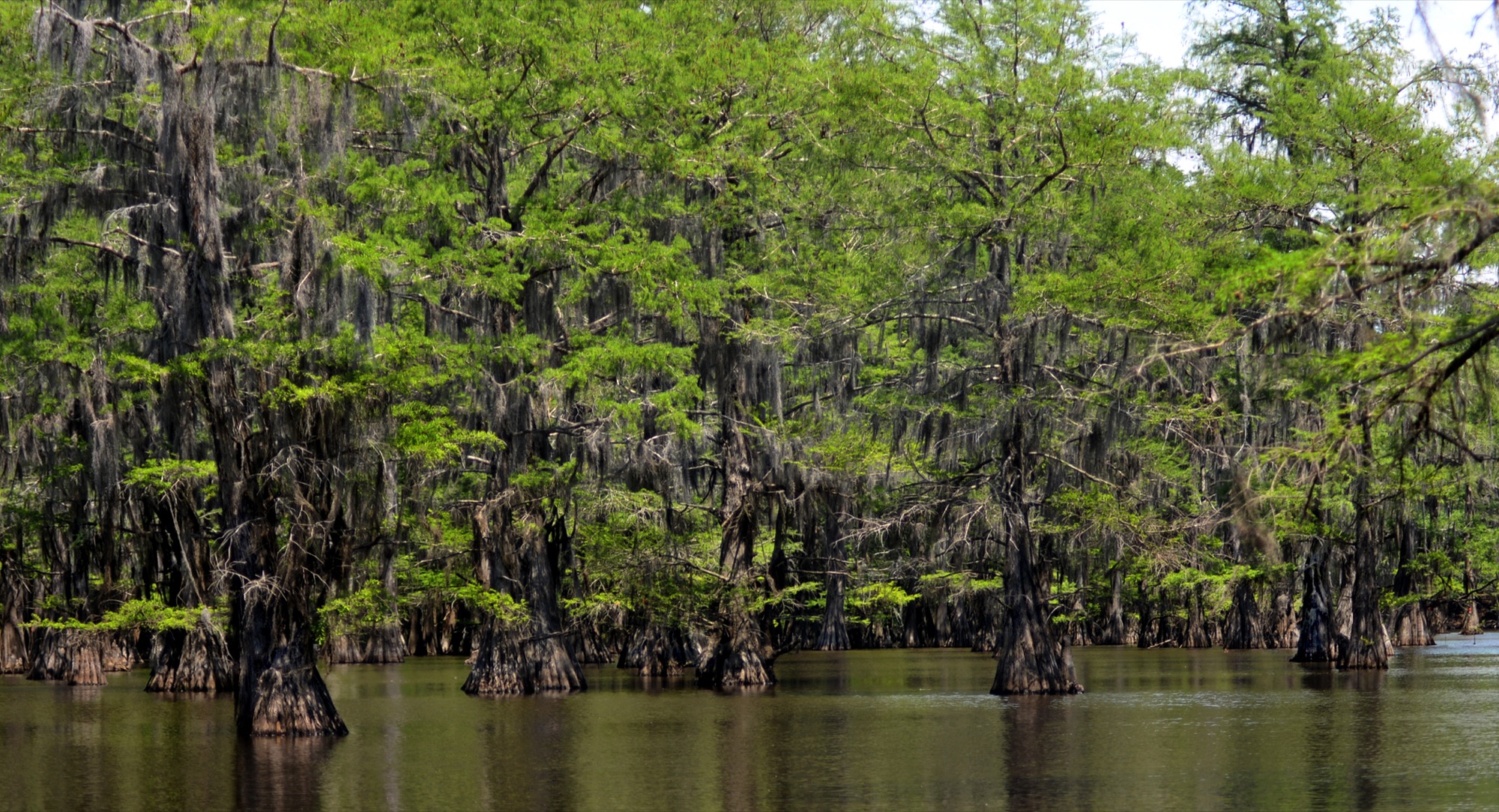
British fingerstyle guitarist Michael Chapman’s brooding instrumental piece inspired by the cypress swamp 15 minutes east of downtown Jefferson, collected on Trainsong and re-recorded on True North.
John & Karen Keane · Dulcimer & flute instrumental
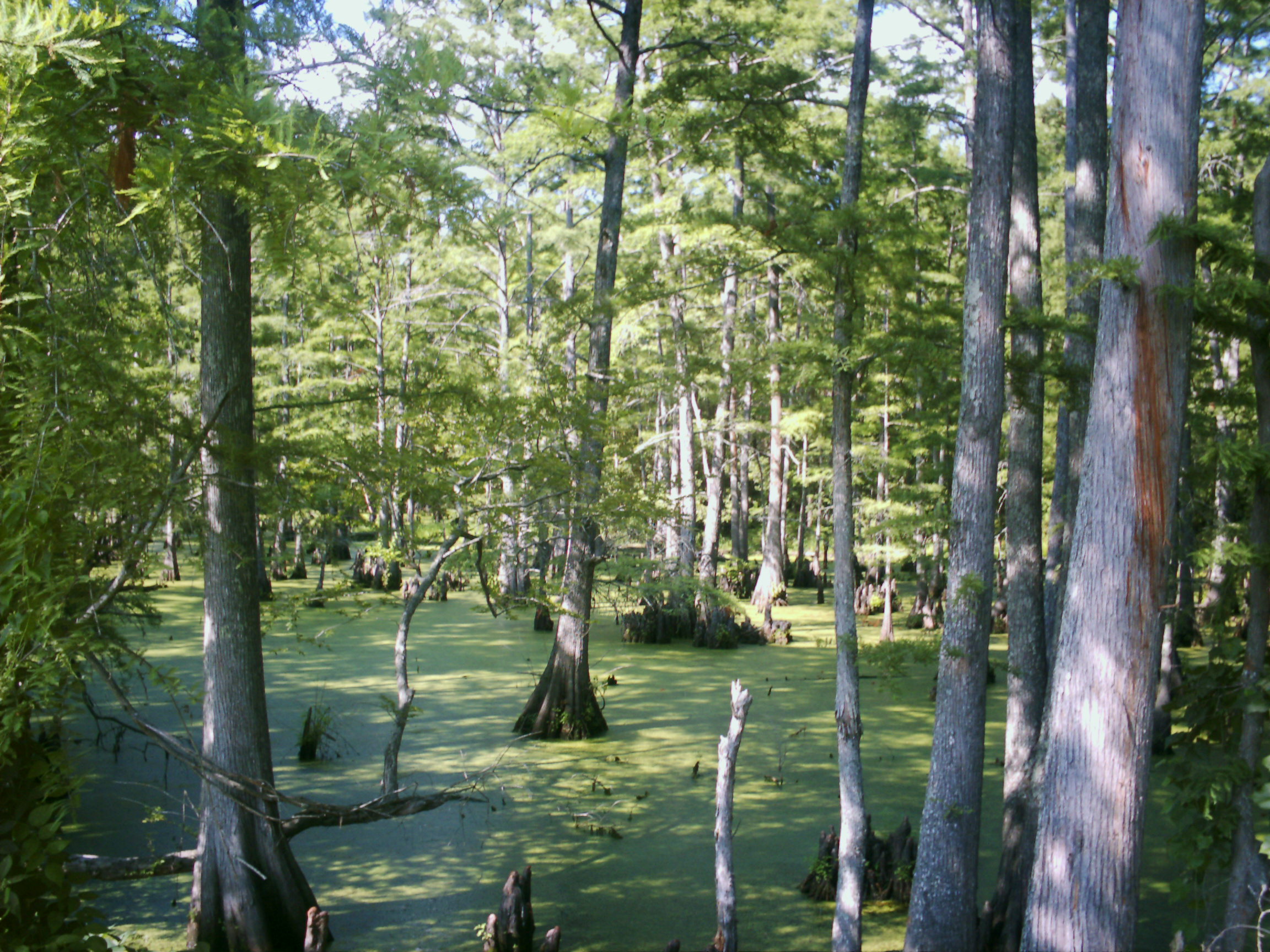
A gentle acoustic waltz written for the natural bayou lake bordering Marion County — easy listening for a quiet morning drive down State Highway 49.
“The Jefferson”: A Boogie-Woogie Bassline Named After the Town
Even without a chart-topping lyric, Jefferson left its name permanently inside American piano music. In the late nineteenth century, lumber-camp and barrelhouse pianists working along the Texas & Pacific Railway between Marshall, Jefferson, and Texarkana — a stretch later nicknamed the Boogie Woogie Highway along US 59 — developed the driving left-hand bass figures that became boogie-woogie.
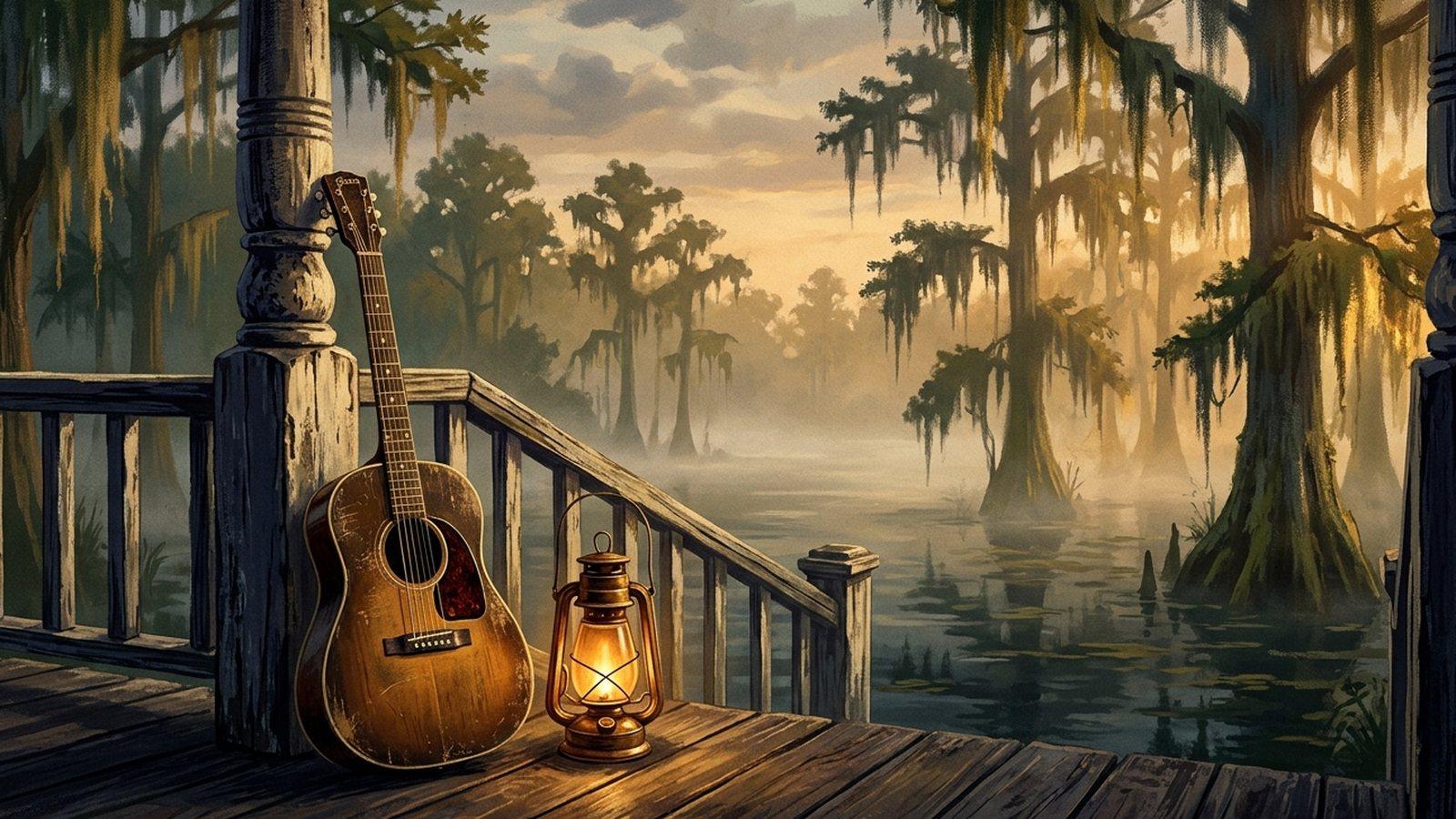
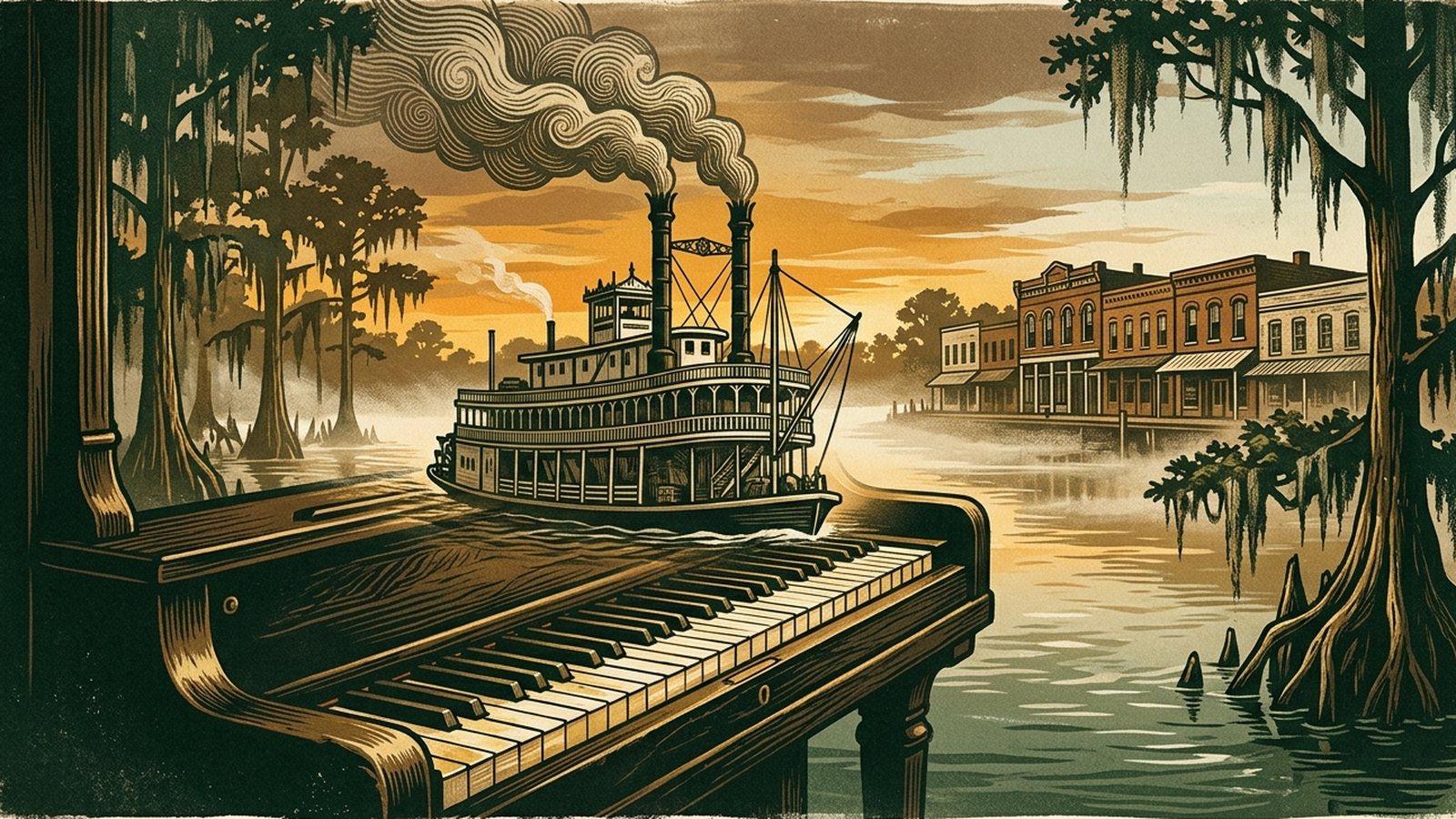
Editorial illustration: nineteenth-century steamboats carried New Orleans musical phrasing up Big Cypress Bayou to Jefferson, intersecting with the East Texas railroad barrelhouse piano tradition.
Boogie-woogie history
How “The Jefferson” sounds (1–5–6–5)
Documented by boogie-woogie historian Dr. John Tennison from a 1986 interview with Texarkana pianist Lee Ree Sullivan, “The Jefferson” is a four-beats-to-the-bar left-hand pattern playing scale degrees 1–5–6–5 (for example, C–G–A–G over a C chord). Unlike the earlier ascending “Marshall” pattern, “The Jefferson” drops back down on the fourth beat — a rhythmic turn historians connect to New Orleans musical styles carried up Big Cypress Bayou during Jefferson’s steamboat-port boom.
Songs & Music Pioneers Born in Jefferson and Marion County
Jefferson’s biggest contribution to recorded music is not songs about town, but the records made by artists born here. Two of the most consequential songs in early country and modern blues — “The Prisoner’s Song” and “The Thrill Is Gone” — trace directly back to Marion County natives.
Vernon Dalhart
1883–1948
Born Marion Try Slaughter II in Jefferson, TX
Key recordings: "The Wreck of the Old 97" / "The Prisoner’s Song" (1924)
A classically trained singer who moved from opera to studio recording, Dalhart cut country music’s first million-selling record in 1924 — three years before the Bristol Sessions — proving country records could sell nationwide. He was inducted into the Country Music Hall of Fame in 1981.
Jefferson connection: A Texas Historical Commission marker stands at 123 W. Austin St. (the Historic Kahn Hotel, formerly the Kahn Saloon), and Dalhart named the backing group on his final 1939 sessions the Big Cypress Boys after Jefferson’s bayou.
Key recordings: "The Thrill Is Gone" (1951), "Why Do Everything Happen to Me?" (1950)
Before moving to Oakland and recording for Modern Records, blues pianist and vocalist Roy Hawkins was born in Jefferson. He co-wrote and first recorded "The Thrill Is Gone," reaching #6 on the Billboard R&B chart in 1951 — nearly two decades before B.B. King’s 1970 version turned it into a global standard.
Jefferson connection: Hawkins’s brooding, minor-key West Coast blues songwriting traces back to Marion County’s early twentieth-century East Texas blues corridor.
Stuart Hamblen
1908–1989
Born in Kellyville, Marion County (just west of Jefferson)
Key recordings: "This Ole House," "It Is No Secret (What God Can Do)"
One of American radio’s earliest singing cowboys in the 1920s, Hamblen went on to write crossover country and gospel standards recorded by Rosemary Clooney, Elvis Presley, and Johnny Cash.
Jefferson connection: Honored in Jefferson with a historical marker and local commemorations celebrating his Marion County roots.
Horace "Steady" Nelson
1913–1988
Born in Jefferson, TX
Key recordings: Lead trumpet on Woody Herman’s "Woodchopper’s Ball" (1939)
A swing-era jazz trumpeter and vocalist who performed with Woody Herman, the Casa Loma Orchestra, and Hal McIntyre, earning recognition from the Texas Music Office as a Texas Music Pioneer.
Jefferson connection: Proof that Jefferson’s musical export reached well beyond country and blues into national Big Band jazz.
The Piney Woods Drive-In Playlist
If you are heading east on I-20 or rolling down US 59 through tall loblolly pines and red-clay shoulders, these East Texas songs set the mood long before you cross Big Cypress Bayou:
Piney Woods hometown anthem2008
“Lonely East Texas Nights”
Whiskey Myers · Southern rock / Texas country
Written by Palestine, Texas band Whiskey Myers, this slow-burning favorite has become the unofficial modern anthem for driving back under the East Texas pine canopy.
Upshur County & red-clay roads1988
“Memories of East Texas”
Michelle Shocked · Folk / Americana
From Short Sharp Shocked, painting the red-clay backroads and rolling pine hills around nearby Gilmer — about 45 minutes southwest of Jefferson.
Railroad lore along the East Texas line1940s
“East Texas Red”
Woody Guthrie · Traditional folk ballad
A Depression-era railroad ballad set along the freight lines between Kilgore and Longview, later covered by Cisco Houston, Arlo Guthrie, and Tom Russell.
Regional honky-tonk1972
“East Texas”
Eddie Noack · Classic honky-tonk
An understated steel-guitar tribute to East Texas from one of Houston’s sharpest classic country songwriters.
Wait — Was Blind Lemon Jefferson From Jefferson, Texas?
It is the #1 question music fans ask when visiting town, and the honest answer is no. Blues pioneer Blind Lemon Jefferson (1893–1929) was born near Coutchman and Wortham in Freestone County, about 150 miles southwest of Jefferson; “Jefferson” was his family surname, not his hometown.
Still, Marion County sits inside one of the densest musical corners of the Piney Woods and Ark-La-Tex. Within a short drive of downtown Jefferson, you can trace a remarkable regional map:
Linden (25 minutes north on US 59): Birthplace of electric-blues pioneer T-Bone Walker and hometown of Eagles co-founder Don Henley (whose 2015 album Cass County pays direct tribute to the area). See our East Texas day trips guide for pairing Linden with a Jefferson stay.
Caddo Lake / Mooringsport, LA (30 minutes east): Folk and twelve-string blues legend Lead Belly (Huddie Ledbetter) was born on the Louisiana shore of Caddo Lake.
Marshall (20 minutes south): Widely recognized as the birthplace of boogie-woogie piano, where the Texas & Pacific rail line linked directly north to Jefferson.
Where to Hear Live Music in Jefferson Today
You do not have to stick to museum plaques to hear music in Jefferson. On weekends, Auntie Skinner’s Riverboat Club on West Austin Street anchors downtown’s live-music and dinner-club scene — browse the full nightlife list in our Jefferson bars & nightlife guide.
Throughout the year, live bands also fill the brick streets and bayou stages during Mardi Gras Upriver (live zydeco and Texas country), the Texas Sounds International Music Awards, and Jefferson’s Fourth of July waterfront celebrations. Check confirmed dates on the Jefferson events calendar, and stroll past 123 W. Austin St. (now the Historic Kahn Hotel) to read the Texas Historical Commission marker honoring Vernon Dalhart.
Are there any famous songs about Jefferson, Texas?
Jefferson, Texas does not have a mainstream chart hit named after the town itself, though independent folk and Americana artists have written songs about it — most notably murder ballads about Jefferson’s 1877 Diamond Bessie case (by Sarah Lucy Dole and Pinebox Serenade) and Edria’s 2004 track "Jefferson Texas." Jefferson’s biggest mark on music history is actually the pioneering artists and rhythms born here, including Vernon Dalhart, Roy Hawkins, and "The Jefferson" boogie-woogie bassline.
Was Blind Lemon Jefferson from Jefferson, Texas?
No — that is one of the most common mix-ups in Texas music history. Blues legend Blind Lemon Jefferson (1893–1929) was born near Coutchman and Wortham in Freestone County, about 150 miles southwest of Jefferson, Texas. His surname was Jefferson rather than a reference to the town. However, nearby East Texas and Caddo Lake did produce other icons, including Lead Belly (born on the Louisiana side of Caddo Lake), T-Bone Walker (Linden), and Roy Hawkins (born right in Jefferson).
What famous musicians were born in Jefferson, Texas?
Jefferson and Marion County produced several major figures in American music: Vernon Dalhart (born Marion Try Slaughter II in Jefferson in 1883), who recorded country music’s first million-selling hit in 1924; Roy Hawkins (born in Jefferson in 1903), co-writer and original performer of "The Thrill Is Gone"; swing trumpeter Horace "Steady" Nelson; and gospel-country songwriter Stuart Hamblen, born in nearby Kellyville.
What is "The Jefferson" boogie-woogie bassline?
"The Jefferson" is one of the earliest foundational four-to-a-bar left-hand boogie-woogie piano bass patterns (playing scale degrees 1–5–6–5, such as C–G–A–G). Documented by boogie-woogie historian Dr. John Tennison along East Texas’s US 59 / Texas & Pacific Railway corridor, its downward turn on the fourth beat is associated with New Orleans musical influences carried up Big Cypress Bayou to Jefferson during the steamboat era.
Where can you hear live music in Jefferson, Texas today?
Downtown Jefferson’s primary weekend live-music anchor is Auntie Skinner’s Riverboat Club on West Austin Street. Live bands also take over downtown streets and stages during annual festivals including Mardi Gras Upriver, the Texas Sounds International Music Awards, and Fourth of July celebrations on Big Cypress Bayou.